_edited%20copy.png)
186 results found with an empty search
- Putnam Mechanical Services Welcomes Miller Refrigeration Customers with Expanded Services and Continued Commitment to Care
Putnam Mechanical Services is excited to announce a new partnership with Miller Refrigeration. This collaboration is designed to provide customers with the same trusted service they’ve always received, along with expanded heating, cooling, and refrigeration solutions to better meet their needs. Customers of Miller Refrigeration can rest assured that they will continue to see the same friendly faces and receive the same reliable service they have always counted on. The partnership simply means more resources, more expertise, and even greater support — all with the same personal touch. “We know how important it is for customers to feel confident when they call us for service,” said Christopher Lail, Vice President of Putnam Mechanical Services. “By joining forces with Miller Refrigeration, we’re able to offer a wider range of solutions while making sure customers still feel like family.” This partnership will strengthen support for restaurants, hospitality businesses, and other customers who rely on both HVAC and refrigeration services. Whether it’s keeping kitchens running smoothly or ensuring comfort year-round, Putnam Mechanical Services is committed to being there when customers need them most. “The heart of Miller Refrigeration has always been our customers,” said Josh Miller, Service Manager of Miller Refrigeration. “By teaming up with Putnam Mechanical Services, we can continue that tradition while offering even more services under one roof.” What Customers Can Expect: · The same trusted technicians and staff they already know · Expanded service options for HVAC, refrigeration, and mechanical needs · A smooth transition with no disruption in service · Continued focus on dependable, customer-first care To request service for Miller Refrigeration: 📧 Email: Service@millerrefrigeration.com 📞 Call: 941-280-4440 About Putnam Mechanical Services: Putnam Mechanical Services is a full-service HVAC and mechanical contractor serving commercial and industrial clients. Built on integrity, professionalism, and a strong commitment to customer care, Putnam Mechanical delivers reliable solutions to keep businesses running smoothly. About Miller Refrigeration: Miller Refrigeration has proudly served its customers with dependable refrigeration solutions for 20 years. Known for its personal service and reliable technicians, Miller Refrigeration continues to stand by its customers through this exciting new partnership.
- The Hidden Costs of Dirty HVAC Ducts in Food Service Settings
When people think of restaurant maintenance, HVAC ducts don’t usually make the top of the list. But ignoring your ductwork can lead to serious problems, especially in a food service environment. That’s why restaurant HVAC duct cleaning is more important than most restaurant owners realize. At Putnam Mechanical, we help Sarasota restaurant owners stay safe, efficient, and compliant with regular restaurant HVAC duct cleaning . Let’s take a closer look at the hidden costs of dirty ducts and why cleaning them should be a top priority. Why Restaurant HVAC Duct Cleaning Is Essential 1. Poor Indoor Air Quality Dirty ducts circulate dust, grease, allergens, and bacteria throughout your restaurant. This affects your staff, your customers, and even your food. Over time, poor air quality can lead to health complaints, uncomfortable dining experiences, and a negative reputation. Routine restaurant HVAC duct cleaning helps maintain fresh, clean air and a healthy indoor environment. 2. Increased Energy Bills When your ducts are clogged with debris, your HVAC system has to work harder to push air through. That extra effort leads to higher energy use and more wear on the equipment. Investing in restaurant HVAC duct cleaning can lower your utility bills and extend the life of your heating and cooling system. 3. Fire Hazards From Grease Build-Up In commercial kitchens, grease doesn’t just stay on the stovetop. It travels through the air and can accumulate inside your HVAC ducts. That build-up becomes a serious fire hazard. Regular restaurant HVAC duct cleaning reduces this risk, making your restaurant safer for everyone and helping you meet local fire code regulations. 4. Equipment Damage and Repairs When ducts are dirty, the whole HVAC system suffers. Motors strain, filters clog faster, and airflow becomes uneven. Over time, this can lead to expensive repairs or even system failure. Keeping your ducts clean is a simple way to protect your HVAC investment. Our team provides thorough restaurant HVAC duct cleaning that helps prevent unexpected breakdowns. 5. Food Safety and Compliance Risks Restaurants are held to high standards when it comes to cleanliness and food safety. Dirty ductwork can attract pests, create moisture problems, and introduce contaminants into food-prep areas. Health inspectors notice these things. Routine restaurant HVAC duct cleaning helps ensure you’re always in compliance with sanitation standards. 6. Unpleasant Odors If your restaurant smells off, even when it’s clean, it could be your ducts. Odors from mold, old food particles, or smoke can get trapped in the ductwork and circulate through your space. A professional restaurant HVAC duct cleaning clears out odor-causing buildup and restores a fresh environment for staff and guests alike. Choose Clean Air and Lower Costs Clean ducts are essential in any food service setting. They protect your equipment, improve comfort, and promote a safe and healthy dining experience. If it’s been a while since your last cleaning, or you can’t remember the last time at all, it’s time to take action. Our Sarasota team is here to help with expert restaurant HVAC duct cleaning tailored to your needs. Contact Us Today At Putnam Mechanical, we understand how critical clean ducts are to your restaurant’s success. We’ve helped countless Sarasota restaurants with professional restaurant HVAC duct cleaning, and we’re ready to help you too. From reducing fire risks to improving air quality, our services are designed with food service in mind. Don’t wait for problems to pile up. Schedule an appointment with Putnam Mechanical today or call (941) 444-9244 to get started. Clean air and peace of mind are just a phone call away.
- Keeping Your Walk-In Running Smoothly: Service Tips for Restaurant Owners
Every restaurant relies on its walk-in refrigerator to keep food fresh, safe, and ready to serve. However, when that walk-in breaks down, the consequences can be costly—spoiled ingredients, lost sales, and even health code violations. That’s why reliable walk-in refrigerator service for restaurants is one of the most important investments any Sarasota restaurant owner can make. Why Regular Service Is So Important Your walk-in runs nonstop—24 hours a day, 7 days a week. Over time, even the best commercial refrigeration units will experience wear and tear. Dirty coils, failing door seals, or refrigerant leaks might not seem like big problems at first, but they can quickly lead to total failure. That’s where scheduled walk-in refrigerator service for restaurants comes in. A proactive approach not only prevents breakdowns but also extends the life of your equipment, improves energy efficiency, and ensures food stays at safe temperatures. Tips to Keep Your Walk-In Running Smoothly 1. Set Up Routine Maintenance Just like your HVAC system, your walk-in refrigerator needs routine checkups. Cleaning condenser coils, checking thermostats, inspecting door gaskets, and testing fan motors are all critical parts of regular walk-in refrigerator service for restaurants. Our team at Putnam Mechanical offers customizable service plans specifically designed for Sarasota restaurants. We’ll help you stay ahead of problems and avoid expensive emergencies. 2. Monitor Temperature Daily Keep an eye on your walk-in’s temperature every day. A small change—just a few degrees—can be a warning sign that something is off. If your cooler isn’t holding a consistent temperature, it may be time for professional walk-in refrigerator service for restaurants to find and fix the issue fast. 3. Keep the Door Seals Tight Loose or cracked door gaskets are one of the most common problems in commercial walk-ins. If warm air seeps in, your system has to work harder, which leads to higher energy bills and more wear on parts. Regular walk-in refrigerator service for restaurants includes inspecting and replacing faulty seals. 4. Don’t Overload the Unit Overstuffing your walk-in blocks airflow , making it harder to maintain a consistent temperature. This forces the compressor to work harder and can reduce the efficiency and lifespan of your system. Efficient organization is part of smart walk-in refrigerator service for restaurants planning. 5. Clean the Interior Regularly Clean shelves, walls, and floors to avoid buildup of grime or mold that can affect airflow and cooling. While your kitchen staff may handle daily cleaning, deeper cleanings should be part of your scheduled walk-in refrigerator service for restaurants routine. Trust the Experts at Putnam Mechanical At Putnam Mechanical, we understand how vital your refrigeration system is to your business. That’s why we specialize in walk-in refrigerator service for restaurants across Sarasota. We work with local restaurant owners every day to keep walk-ins performing at their best. From regular maintenance to emergency repairs, our team is trained to handle it all. We don’t just fix issues, we prevent them. Our experienced technicians use state-of-the-art tools and a deep understanding of commercial refrigeration systems to keep your kitchen compliant and cool. Let us take the stress off your shoulders so you can focus on running your business. Contact Us Today Don’t wait until your walk-in fails during a busy dinner rush. Putnam Mechanical offers fast, reliable walk-in refrigerator service for restaurants designed to keep Sarasota kitchens running efficiently all year long. To protect your investment and keep your ingredients fresh, schedule your service today with the team that understands restaurant refrigeration inside and out. Call Putnam Mechanical at (941) 444-9244 and let us help you take care of your walk-in the right way.
- How to Prevent HVAC Emergencies in High-Volume Kitchens
Running a busy kitchen means juggling food orders, staff, cleanliness, and the last thing you need is a broken air system during a rush. In Sarasota’s hot and humid climate, even a short HVAC failure can ruin food safety, frustrate staff, and chase away customers. That’s why having a solid restaurant HVAC emergency response plan in place isn’t just smart, but it’s essential. Why High-Volume Kitchens Are More at Risk When ovens, fryers, grills, and dishwashers are all running at once, your HVAC system works overtime to manage heat, humidity, and air quality. Kitchens in restaurants, especially busy ones, create conditions that can stress even well-built HVAC units. If your air conditioning system isn’t regularly maintained, grease and dust buildup can block airflow. Filters clog. Fans wear out. Suddenly, you're in an emergency—and that’s where a professional restaurant HVAC emergency response team becomes your lifeline. What Can Go Wrong—and Fast Imagine your AC goes down during a Friday night dinner rush. The kitchen overheats. The dining area gets stuffy. Staff are sweating. Customers complain. This isn’t just a small inconvenience—it’s a threat to your health code, employee safety, and reputation. A proper restaurant HVAC emergency response team helps avoid all that. With regular inspections, emergency planning, and fast repairs, you’re not left scrambling in the heat. Key Tips to Avoid HVAC Emergencies in Restaurants 1. Set a Maintenance Schedule Don’t wait until something breaks. Our team recommends quarterly HVAC maintenance to inspect ductwork, clean filters, check refrigerant levels, and test thermostats. This keeps things running smoothly and catches problems early. With a restaurant HVAC emergency response service that knows the pace of commercial kitchens, we’ll keep your system prepared year-round. 2. Train Your Staff on Warning Signs Your staff is on the front line. If they hear strange noises, feel weak airflow, or notice rooms aren’t cooling evenly, it could be a sign that your HVAC system needs attention. Quick reports to management can trigger a faster restaurant HVAC emergency response before the issue gets worse. 3. Keep the Kitchen Clean Grease is the enemy of HVAC systems. It clogs vents and creates fire hazards. Regular cleaning not only keeps your kitchen safe but also supports your HVAC system. Combining cleanliness with a trusted restaurant HVAC emergency response provider ensures that grease doesn’t shut down your operation. 4. Replace Filters Frequently Commercial kitchens need more frequent filter changes than homes. In high-use environments, monthly replacements may be necessary. This one simple habit can prevent many common emergencies that restaurant HVAC emergency response teams are called to fix. Work With a Sarasota HVAC Team That Understands Restaurants Not every HVAC company understands how fast-paced and demanding commercial kitchens are. Our team at Putnam Mechanical specializes in providing expert-level restaurant HVAC emergency response tailored to the unique needs of Sarasota eateries. From custom maintenance plans to emergency service, we’re your reliable partner. We help restaurants stay cool, compliant, and safe—no matter how busy things get. We’ve seen it all: clogged condenser coils from fryer steam, sudden thermostat failures in summer, rooftop units blocked with leaves and debris. That’s why we provide restaurant HVAC emergency response services that are proactive, not just reactive. Let our experience save you from a costly shutdown. Contact Us Today Need reliable help you can count on? Want to protect your restaurant from HVAC disasters before they happen? Schedule your service today with a trusted Sarasota commercial HVAC company. At Putnam Mechanical, we specialize in fast and professional restaurant HVAC emergency response services for high-volume kitchens. Whether you need preventive maintenance or immediate repairs, our team is ready to keep your business running smoothly. Call Putnam Mechanical at (941) 444-9244 to speak with our experts and book your commercial HVAC service today.
- How Specialized HVAC Contractors Help Restaurants Avoid Downtime
Running a restaurant in Sarasota means more than serving great food. It also means keeping your kitchen and dining areas cool, safe, and comfortable, no matter how hot it gets outside. When your HVAC system fails, your kitchen heats up fast, customers get uncomfortable, and operations can come to a halt. That’s why working with a specialized commercial HVAC contractor for restaurants is essential to keeping everything running smoothly. The Hidden Cost of HVAC Downtime An HVAC breakdown doesn’t just affect the temperature. It can impact food safety, employee performance, and customer satisfaction. Even a short system failure during a lunch or dinner rush can lead to lost revenue, negative reviews, and health code violations. That’s why partnering with a commercial HVAC contractor for restaurants isn’t just a good idea—it’s critical. These contractors understand the unique needs of restaurants and offer proactive services that minimize risks and avoid unexpected downtime. Why Restaurants Need Specialized HVAC Support 1. Fast, Restaurant-Focused Response Restaurants move fast, and so should your HVAC team. A general contractor might not prioritize your repair when you need it most, but a commercial HVAC contractor for restaurants knows that even a few hours without cooling can throw off your entire day. Our team at Putnam Mechanical offers quick response times and prioritizes restaurant clients because we understand what’s at stake. 2. Preventive Maintenance That Works You don’t have time for surprise breakdowns. A proactive maintenance plan from a commercial HVAC contractor for restaurants helps catch small issues before they turn into big ones. Our maintenance programs include checking refrigerant levels, cleaning coils, inspecting thermostats, and more, everything needed to keep your system ready for peak hours. 3. Knowledge of Kitchen Equipment & Layouts Restaurants are unique HVAC environments. Kitchens are hot, greasy, and full of equipment. A commercial HVAC contractor for restaurants knows how to design, install, and maintain systems that work with those challenges, not against them. We understand the airflow patterns, zoning requirements, and ventilation systems that are vital to your kitchen’s performance and safety. 4. Energy Efficiency = Cost Savings An outdated or poorly maintained HVAC system can waste a lot of energy. A specialized commercial HVAC contractor for restaurants can recommend upgrades and improvements that lower your utility bills without sacrificing performance. From programmable thermostats to high-efficiency units, we help Sarasota restaurant owners find the most cost-effective solutions for long-term savings. 5. Customized Solutions for Your Business Every restaurant is different. Whether you run a food truck, café, or large dining facility, a dedicated commercial HVAC contractor for restaurants will tailor solutions to your space, workflow, and hours of operation. At Putnam Mechanical, we don’t offer one-size-fits-all answers. We work closely with you to understand your challenges and deliver HVAC strategies that truly support your business. Let Us Keep Your Kitchen Running At Putnam Mechanical, we specialize in helping local restaurants stay cool, compliant, and efficient. As a trusted commercial HVAC contractor for restaurants in Sarasota, we bring years of experience and industry-specific knowledge to every job. Whether you need emergency repair, routine service, or a full system upgrade, we’re here to help you avoid the stress and cost of downtime. We focus on long-term reliability, so you can focus on what you do best: serving your customers. Our team is licensed, insured, and ready to handle any HVAC challenge your restaurant faces. Contact Us Today Don’t wait until your HVAC system breaks down during a busy shift. Let Putnam Mechanical help keep your kitchen running smoothly with expert commercial HVAC contractor for restaurants services in Sarasota. Ready to get started? Schedule your service today with the professionals who understand the demands of your industry. Call Putnam Mechanical at (941) 444-9244 and let us help you stay cool, efficient, and always open for business.
- Save You Thousands in HVAC Repairs
When it comes to HVAC systems in commercial buildings, repairs can get expensive fast. But the good news is, many of those costly repairs can be avoided altogether with the right team in your corner. Partnering with experienced commercial HVAC contractors can help you spot issues early, make smarter upgrades, and extend the life of your system. At Putnam Mechanical, we’ve helped countless Sarasota businesses reduce their repair bills by taking a proactive approach to HVAC service. Here’s how the right contractor can protect your investment and save you thousands over time. How Commercial HVAC Contractors Can Save You Money 1. Preventive Maintenance Saves Big Routine maintenance may not seem urgent, but it’s one of the most powerful ways to avoid expensive breakdowns. Professional commercial HVAC contractors know what to look for, such as worn belts, clogged coils, or refrigerant leaks, and fix them before they escalate. Regular tune-ups catch small problems early, helping your system run more efficiently and reducing emergency calls. 2. Proper Installation Means Fewer Future Repairs Many long-term HVAC issues start with poor installation. If your system wasn’t installed properly, it could be working harder than it should, leading to unnecessary wear and tear. Reputable commercial HVAC contractors will install your system correctly the first time, using high-quality materials and proven techniques that set you up for long-term success. 3. Accurate Diagnostics Prevent Wasted Money When your system isn’t working, guessing at the problem wastes time and money. Skilled commercial HVAC contractors use the latest diagnostic tools to pinpoint the issue fast. This leads to more accurate repairs, fewer repeat visits, and better results for your business. Accurate diagnosis reduces downtime and unnecessary spending on parts or labor. 4. Energy Efficiency Means Lower Utility Bills Upgrading your HVAC system or adjusting its settings can lead to serious savings. Experienced commercial HVAC contractors can assess your current system and recommend changes that improve performance. Whether it’s replacing outdated units, sealing ductwork, or programming thermostats, these upgrades pay off in reduced monthly energy costs. 5. Access to Better Equipment and Parts The best commercial HVAC contractors have access to high-quality equipment and trusted manufacturers. This ensures that any replacements or upgrades are reliable and built to last. Choosing low-quality parts or trying to DIY repairs can cost you more in the long run due to repeated failures or inefficiency. 6. Long-Term Planning and Budgeting The right contractor doesn’t just show up when something breaks. They become a partner in your building’s long-term care. Commercial HVAC contractors who offer service agreements and routine inspections can help you plan for upgrades, prepare for seasonal changes, and avoid surprise expenses. Trust Professionals Who Know Sarasota Working with a local team gives you faster service and people who understand your building’s needs. At Putnam Mechanical, our licensed Sarasota-based commercial HVAC contractors know how to keep your system running smoothly year-round. Contact Us Today If you're ready to save money and avoid major HVAC headaches, our team at Putnam Mechanical is here for you. Our expert commercial HVAC contractors are ready to assess your system, prevent issues, and improve performance with honest, reliable service. Don’t wait for a costly breakdown. Schedule an appointment today or call us at (941) 444-9244. Let’s protect your investment and lower your repair costs.
- How Refrigeration Maintenance Keeps Restaurants Running Smoothly
Every restaurant relies on its refrigeration equipment to keep food fresh and operations running without a hitch. But without proper care, even the best coolers and freezers can fail, leaving you with spoiled inventory, frustrated staff, and unhappy customers. That’s why consistent restaurant equipment refrigeration maintenance is a must-have for any Sarasota restaurant owner who wants to avoid downtime and stay in control. Why Routine Refrigeration Maintenance Matters Your walk-in coolers, freezers, prep tables, and reach-in units all work around the clock to store ingredients at safe temperatures. These systems aren’t just vital—they’re critical to your daily operations and compliance with health regulations. Without regular restaurant equipment refrigeration maintenance, these systems can begin to show signs of wear, often without you noticing. Small problems like dirty condenser coils, weak door seals, or clogged drains can lead to bigger issues, and even full system failure, if ignored. A preventive maintenance plan helps avoid these headaches, protects your investment, and ensures your equipment performs when you need it most. Common Issues Prevented by Regular Service 1. Compressor Failure The compressor is the heart of your refrigeration system. Without proper cleaning and inspections, it can overheat and break down. Scheduled restaurant equipment refrigeration maintenance keeps it running smoothly and extends its lifespan. 2. Dirty Coils When coils get dirty, the system has to work harder to cool your food. This not only increases energy bills but also strains the system. Coil cleaning is a core part of effective restaurant equipment refrigeration maintenance. 3. Leaky Door Gaskets Even a small air leak can force your refrigeration unit to work overtime. Regular gasket inspections and replacements are included in professional restaurant equipment refrigeration maintenance plans to improve efficiency and temperature control. 4. Blocked Drain Lines Clogged drains can lead to leaks, standing water, and mold buildup , none of which belong in a commercial kitchen. Maintenance includes drain line checks to prevent water damage and odor issues. Benefits of Regular Maintenance Longer Equipment Life: Systems last longer when properly maintained. Lower Energy Bills: Well-maintained equipment runs more efficiently. Fewer Emergency Repairs: Stop problems before they disrupt your business. Improved Food Safety: Maintain consistent, safe temperatures. Peace of Mind: You have enough to worry about—let us handle the refrigeration. At Putnam Mechanical, we specialize in restaurant equipment refrigeration maintenance for Sarasota restaurants. We understand the fast pace and high stakes of your kitchen. That’s why we tailor our maintenance plans to fit your specific needs and schedule, minimizing downtime and maximizing performance. Partner with a Team That Knows Restaurants Not all HVAC and refrigeration companies understand the unique challenges of foodservice businesses. Our team is trained to deliver detailed restaurant equipment refrigeration maintenance services that target the real-world issues faced by commercial kitchens. From fast food to fine dining, we’ve helped restaurants of all sizes stay cool and compliant. With Putnam Mechanical, you’re not just getting service—you’re getting a partner that prioritizes your success. Let us help you reduce stress, avoid costly breakdowns, and keep your refrigeration systems working like new. Contact Us Today When it comes to protecting your ingredients and your reputation, trust Putnam Mechanical for reliable restaurant equipment refrigeration maintenance in Sarasota. Our licensed technicians are ready to help you stay ahead of issues and save on long-term repair costs. Don’t wait until something breaks. Schedule your service today and let us take care of your equipment the right way. Call Putnam Mechanical at (941) 444-9244 and ask how we can keep your kitchen cool, safe, and efficient all year long.
- Why Regular Refrigeration Maintenance Saves Your Business Money
In food service and commercial settings, your refrigeration system is more than a convenience; it's essential. When it breaks down, the costs can be significant: spoiled products, emergency repair bills, and even business downtime. That’s why regular refrigeration maintenance is not just smart. It’s a crucial part of protecting your bottom line. At Putnam Mechanical, we help Sarasota businesses stay ahead of expensive surprises with proactive refrigeration care. Let’s take a closer look at how routine refrigeration maintenance keeps your systems running smoothly and saves you money in the long run. The Cost-Saving Power of Preventive Care 1. Prevents Costly Breakdowns The biggest expense in refrigeration isn’t the system itself. It’s the repair costs when something fails. Worn-out components, clogged drains, and refrigerant leaks don’t always show visible signs right away. However, with regular refrigeration maintenance, our team can catch these small issues before they cause full system shutdowns or product losses. By catching problems early, refrigeration maintenance helps avoid the stress and high price tags of emergency repairs, after-hours service calls, and wasted inventory. 2. Extends Equipment Lifespan Just like changing the oil in your car, routine maintenance keeps your refrigeration system running efficiently and reliably. Dirt, dust, and grease build-up make your equipment work harder, which leads to faster wear and tear. Regular refrigeration maintenance includes cleaning coils, inspecting compressors, and testing controls, tasks that reduce strain and extend the life of your system. The longer your equipment lasts without needing a replacement, the more value you get out of your investment. Quality refrigeration maintenance is a smart way to stretch your dollar further. 3. Reduces Energy Bills Poorly maintained refrigeration systems can become energy hogs. Dirty coils, weak seals, and low refrigerant levels force your system to use more power just to keep cool. Over time, this inefficiency can add hundreds, or even thousands, of dollars to your energy costs each year. Our team specializes in refrigeration maintenance that improves performance and lowers energy use. With regular checkups and adjustments, your system will run at its best, and your bills will reflect it. 4. Helps You Stay Compliant For restaurants and commercial kitchens, health and safety regulations are strict. Malfunctioning refrigeration systems can lead to temperature control issues and spoilage, putting your compliance and reputation at risk. With routine refrigeration maintenance, you’ll avoid violations and ensure your food stays safe and fresh. 5. Offers Peace of Mind The best part of regular refrigeration maintenance? Knowing your system is being taken care of by professionals. At Putnam Mechanical, our technicians are trained to service all major brands and system types. We handle the hard work so you can focus on running your business with confidence. Contact Us Today If you’re ready to cut costs and improve performance, it’s time to schedule routine refrigeration maintenance with the experts. Putnam Mechanical proudly serves businesses across Sarasota, helping keep systems efficient, safe, and reliable. Don’t wait for a costly emergency to remind you. Schedule an appointment today or call us at (941) 444-9244. Let our team keep your refrigeration systems in peak condition year-round.
- The Benefits of Partnering With a Nearby HVAC Repair Team
If you own a restaurant, keeping your HVAC system running is crucial, not just for comfort but also for safety, staff productivity, and food quality. When something breaks, time matters. That's why partnering with a trusted team offering restaurant HVAC repair near me is one of the smartest decisions you can make. At Putnam Mechanical, we proudly serve Sarasota restaurant owners with fast, reliable, and local HVAC repair solutions. Let’s explore why working with a nearby team is better for your bottom line and your peace of mind. Top Benefits of Working with Our HVAC Repair Team 1. Fast Response Times Time is everything in the restaurant business. A malfunctioning HVAC system can make customers uncomfortable and your kitchen unbearable. When you search for restaurant HVAC repair near me, you're looking for someone who can show up quickly, not next week. Local teams like ours can respond faster than out-of-town providers, getting your system back on track with minimal disruption. 2. Familiarity With Local Needs Not all HVAC systems or restaurant setups are the same. A team familiar with Sarasota's climate and building styles can diagnose and repair issues faster and more accurately. Our experience with restaurant HVAC repair means we understand the specific challenges local restaurants face, from humidity control to tight kitchen layouts. 3. Personalized Service When you partner with a local team, you get more than just a service provider. You build a relationship. We get to know your restaurant, your equipment, and your preferences. That allows us to offer proactive advice and custom solutions. Many of our Sarasota clients trust us not just for emergency repairs but for ongoing maintenance and support for all their restaurant HVAC repair needs. 4. Lower Costs Over Time Because we're nearby, we don’t charge excessive travel fees or delay service for days. And since we know your equipment and service history, we can fix issues faster and reduce the need for repeat visits. Investing in a local restaurant HVAC repair near me provider can help you save money long-term through efficient repairs and preventive care. 5. Accountability You Can Count On Local businesses live on their reputation. When you choose a nearby HVAC repair team, you're working with people who care about their standing in the community. At Putnam Mechanical, we take pride in our work and always aim to exceed expectations. When you choose us for restaurant HVAC repair near me, you're choosing reliable service you can trust. Stay Ready With Local HVAC Support No restaurant can afford to ignore HVAC issues. Uncomfortable dining areas, overworked kitchen staff, and food safety risks all add up fast. Partnering with a nearby expert means fewer interruptions and better outcomes for your business. If you’re searching for restaurant HVAC repair, Putnam Mechanical is here to help, right around the corner and ready to serve. Contact Us Today At Putnam Mechanical, we know the value of quick, dependable service. If you're experiencing HVAC issues or simply want to stay ahead of problems, our Sarasota-based team is ready to help. We’re proud to be the top choice for restaurant HVAC repair near me and offer services tailored to your restaurant’s unique needs. Let us help you keep your business running smoothly. Schedule an appointment today or give us a call at (941) 444-9244.
- When to Replace Furnace Filter A Homeowner's Guide
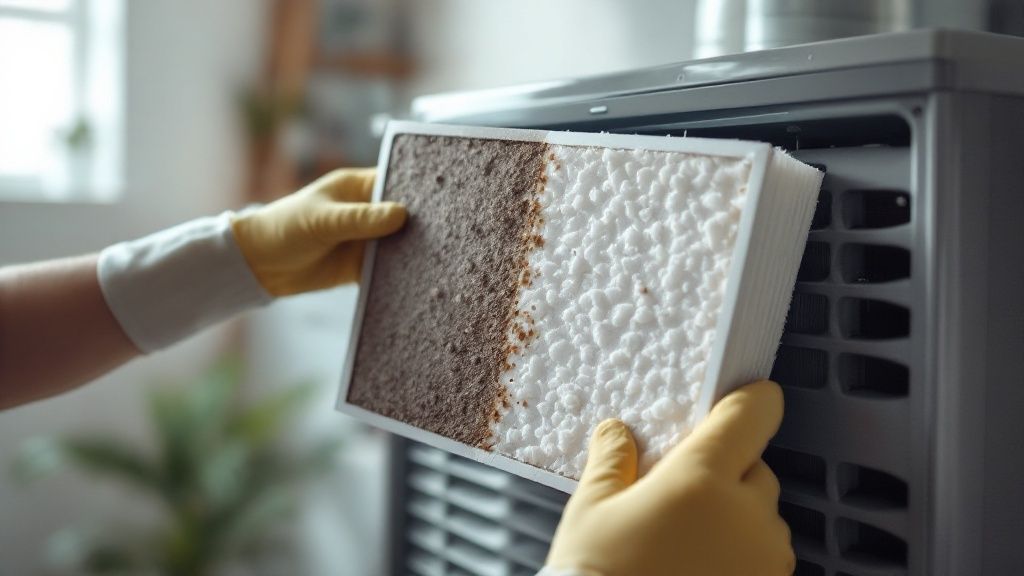
Figuring out when to swap out your furnace filter isn't a one-size-fits-all deal. It really comes down to the kind of filter you have, your home's environment, and even your lifestyle. The golden rule is to give it a quick check every month, but the actual replacement schedule can be anywhere from every 1 to 12 months . Putting this task on the back burner is a mistake. A clogged filter makes your HVAC system work way harder than it needs to, which drives up your energy bills and can even lead to serious damage down the road. Your Quick Guide to Furnace Filter Replacement Let’s use a simple analogy: think of your furnace filter like the lint trap in your dryer. When the trap is clean, air flows through easily, and your clothes dry efficiently. But as lint builds up, it chokes off the airflow, forcing the dryer to struggle. Your furnace works the same way. A dirty filter clogged with dust, pet dander, and other gunk restricts airflow, making your system work overtime. The result? Poor heating performance and higher utility bills. So, How Often Should You Change It? The first step is understanding the basic replacement timeline, which is mostly determined by the filter's thickness. As a general rule, thinner filters need to be changed more often. Your standard 1- to 2-inch filters usually need replacing every 1 to 3 months , while the thicker 5- to 6-inch models can often last up to a full year. To give you a better idea, here's a quick table to help you find a good starting point. After that, we’ll get into the specific signs that tell you it’s time for a change. Furnace Filter Replacement Schedule at a Glance This table gives you a clear timeline for filter replacement based on its thickness and a few common household factors. Filter Thickness Standard Home Home with Pets or Allergies 1" – 2" Every 1–3 months Every 30–60 days 3" – 4" Every 6–9 months Every 3–6 months 5" – 6" Every 9–12 months Every 6–9 months Keep in mind, these are just guidelines. The best way to know for sure is to check your filter regularly and see how dirty it is. To keep your entire system running at its best, check out our guide on how to get the most out of your heating and cooling system . Why a Clean Filter Is Your HVAC System's Best Friend Think of your furnace filter as the silent gatekeeper for your entire HVAC system. It's a small component, but it has a massive job: letting clean air flow freely while trapping dust, pollen, and other unwanted particles. But when that filter gets clogged, the gatekeeper becomes a roadblock. The buildup of dirt and debris literally chokes off airflow, forcing your furnace's fan motor to work much harder just to pull air through. This constant struggle doesn't just make your system less efficient—it puts serious strain on its most critical parts. The Real Cost of a Dirty Filter Ignoring this simple maintenance task creates a domino effect that hits both your wallet and your system's health. That extra effort from the fan motor translates directly into higher energy consumption. A dirty filter is quietly inflating your monthly utility bills. Over time, this unnecessary strain can lead to premature breakdowns of expensive components, like the fan motor itself. You can learn more about how regular maintenance prevents costly equipment breakdowns in our detailed guide. A clean furnace filter is one of the easiest ways to protect your HVAC investment. It’s a proactive step that directly impacts system longevity, energy bills, and the quality of the air you breathe every day. Consistent filter replacement is just smart building management. It's a simple yet effective step that aligns with broader green cleaning practices and contributes to a healthier, more efficient environment for everyone inside. More Than Just Efficiency Beyond protecting your equipment, a clean filter is essential for maintaining good indoor air quality, which directly impacts health and comfort. Regular replacements do more than just help your furnace run better; they lead to significant energy savings. A well-maintained HVAC system can reduce energy consumption by up to 15% . That's a huge difference, all starting with something as simple as a clean filter. Understanding Filter Types and MERV Ratings When it comes to furnace filters, one size definitely does not fit all. If you’ve ever stood in the filter aisle at a hardware store, you know how overwhelming the choices can be. From simple fiberglass models to high-tech pleated ones, it's a lot to take in. Think of it this way: a basic fiberglass filter is like a screen door—it stops the big stuff, like leaves and large dust bunnies, but lets smaller particles sail right through. A more advanced pleated filter, on the other hand, is like a fine mesh screen that traps much smaller, more irritating contaminants. What Is a MERV Rating? To cut through the confusion, the industry uses the MERV rating , which stands for Minimum Efficiency Reporting Value. It's a simple scale, usually from 1 to 16 for commercial and residential use, that tells you how effective a filter is at capturing airborne particles. An easy way to think about MERV is to compare it to the SPF on sunscreen. A low MERV rating is like a low SPF—it gives you basic protection from larger particles like lint and dust. A higher MERV rating is like a high SPF, offering more robust protection by trapping things like pollen, mold spores, and even pet dander. It's all about finding the right balance. A higher MERV rating means cleaner air, but it also makes your HVAC system's fan work harder to pull air through. Always check your furnace manual for the maximum MERV rating your system can handle to avoid unnecessary strain. This infographic breaks down the recommended replacement schedules for a few of the most common filter types. As you can see, the type of filter you choose has a huge impact on its lifespan and performance. Let's take a closer look at a few common options. Comparing Common Furnace Filter Types Choosing the right furnace filter often comes down to balancing efficiency, cost, and how often you're willing to perform maintenance. This table breaks down some of the most common filter types to help you make an informed decision for your commercial space. Filter Type Typical MERV Rating Average Cost Replacement Schedule Fiberglass 1-4 $2 - $5 Every 30 days Pleated 5-13 $10 - $30 Every 60-90 days Electrostatic 8-10 $20 - $50 Washable, every 90 days HEPA 17-20 $75 - $150+ Every 6-12 months Each option has its pros and cons. While a basic fiberglass filter is cheap, it needs frequent replacing. A higher-end HEPA filter, on the other hand, can remove at least 99.97% of airborne particles as small as 0.3 microns , but it comes with a higher price tag and isn't compatible with all systems. The bottom line is that your filter choice directly impacts your maintenance schedule. For more advice on keeping your system running smoothly, check out our other articles on air conditioning topics . Personalizing Your Filter Replacement Schedule The replacement schedule printed on your filter’s packaging is just a guideline. Think of it as a starting point, not a hard-and-fast rule. Every building has its own unique "breathing" pattern, and the air it takes in directly affects how quickly that filter gets dirty. Consider the filter the lungs of your HVAC system. Its health depends entirely on the air it inhales. If your facility is near a busy road, a manufacturing plant, or a construction site, you can bet that dust and pollutants are constantly being pulled into your system. These outside factors can dramatically shorten a filter's life, meaning you’ll need to check it far more often than the manufacturer suggests. Adjusting for Occupants and Activities The number of people walking through your building—and what they’re doing—plays a huge part in how fast your filter clogs up. A bustling restaurant kitchen or a high-traffic retail store is going to accumulate airborne particles much faster than a quiet office complex. Specific activities can also put a massive strain on your filter. Think about these common situations: Pets: If you run a pet-friendly office or facility, dander and hair will clog your filter in no time. Allergies: For buildings where occupants have severe allergies or respiratory issues, changing filters more often is non-negotiable for maintaining healthy indoor air. Renovations: Any sanding, painting, or construction work kicks up an incredible amount of debris. That stuff can choke a brand-new filter in days, not months. The goal is to shift from a generic calendar reminder to an observational one. Your unique environment dictates the real schedule, not just the date on the box. This customized approach is a key piece of a solid maintenance plan. You can find more tips by exploring your preventive maintenance schedule template guide . By paying close attention to these real-world factors, you’ll keep your system running efficiently, protect everyone's health, and stop wasting money on filter changes you don't need yet. Clear Signs Your Furnace Filter Needs Replacing Now While sticking to a schedule is a good starting point, your building itself will often tell you when a furnace filter is ready to be retired. If you learn to spot these obvious signals, you can stay ahead of problems before they start putting serious strain on your HVAC equipment. The easiest check is a simple visual inspection. Pop the filter out and take a look. A clean filter is usually bright white or off-white, but a clogged one will be caked in a thick layer of gray dust and grime. If it looks dirty, it is. Telltale Symptoms of a Clogged Filter Beyond just what the filter looks like, the air and environment inside your building will give you clues. Once a filter is clogged, it can't do its job anymore, and you'll start to notice a real dip in both air quality and your system's performance. Keep an eye out for these red flags: More Dust Everywhere: Have you noticed a fine layer of dust settling on desks, shelves, and equipment just a day or two after cleaning? That's a classic sign the filter is totally full and is just letting those particles circulate right back into the air. Funky, Musty Odors: A filter choked with trapped dust, debris, and moisture can start to smell stale or musty. You might even notice a faint burning smell if the furnace motor is overheating as it struggles to force air through the blockage. Weak Airflow from Vents: Go hold your hand up to a supply vent. Does the airflow feel weak, inconsistent, or less powerful than usual? A clogged filter is the most common culprit, as it's literally blocking the air from getting through. Think of your furnace filter as the first line of defense for your entire HVAC system. When it gets compromised, everything else downstream suffers. Ignoring these signs almost always leads to higher energy bills, because the system has to work so much harder to compensate for the restricted airflow. You might also hear strange whistling or straining sounds coming from the furnace unit itself—that’s the sound of a system that’s struggling to breathe. By catching these symptoms early, you'll know exactly when to swap out that filter, protecting your HVAC investment and keeping everyone in your building comfortable. Answering Your Furnace Filter Questions Even when you have the basics down, you’re bound to have more specific questions pop up. We get it. Let’s tackle some of the most common things facility managers ask about furnace filters, giving you clear, direct answers so you can manage your HVAC system with confidence. What Happens if I Forget to Change My Filter? Putting off a filter change for a long time—say, a year or more—is asking for trouble. It can lead to some seriously expensive consequences down the road. The first thing you'll notice is a spike in your energy bills, because the clogged filter is choking off airflow and forcing your furnace’s blower motor to work way harder than it should. This constant strain will eventually cause the motor to overheat and burn out, and that’s a costly repair. At the same time, your indoor air quality will take a nosedive since the filter is too packed with gunk to trap any more dust and allergens. In a worst-case scenario, a completely blocked filter can shut the whole system down or even crack the heat exchanger—a critical part that costs a fortune to replace. Neglecting a simple filter change is like forcing your HVAC system to run a marathon while breathing through a straw. Sooner or later, it’s going to collapse from the strain. Is a Higher MERV Rating Always Better? Not always. It's easy to think "higher is better," but that’s not the full story. While a high-MERV filter is a champion at capturing tiny particles, it also creates more resistance to airflow. Think of it like trying to push air through a thicker, more tightly woven fabric—it takes more effort. Some HVAC systems, especially older or smaller commercial units, just don't have powerful enough fan motors to handle that extra resistance. If you use a filter with a MERV rating that’s too high for your system, you can strain the fan motor just as much as a dirty filter would. This kills efficiency, drives up energy use, and can lead to equipment failing early. Your best bet is to always check the furnace manual for the maximum recommended MERV rating. For more complex issues, our articles on HVAC troubleshooting can point you in the right direction. Does the Season Affect Replacement Frequency? Absolutely. Your furnace filter puts in the most overtime during periods of heavy use—usually the coldest months of winter and the hottest days of summer. During these peak seasons, your system is running almost nonstop to keep the building comfortable. All that continuous operation means it’s pulling a whole lot more air (and airborne junk) through the filter every single day. Naturally, the filter gets dirty much faster. It's a smart move to check your filters monthly during these high-demand seasons. In the milder spring and fall months, when you aren't running the heat or AC as often, the filter will collect debris much more slowly. When it's time to ensure your commercial HVAC system is running at its peak, trust the experts. Putnam Mechanical LLC provides professional maintenance and repair services to keep your facility's air clean and your equipment efficient. For a free estimate, visit us at https://pmechanicalfl.com .
- Difference Between Air Handler and Furnace: Key Comparison
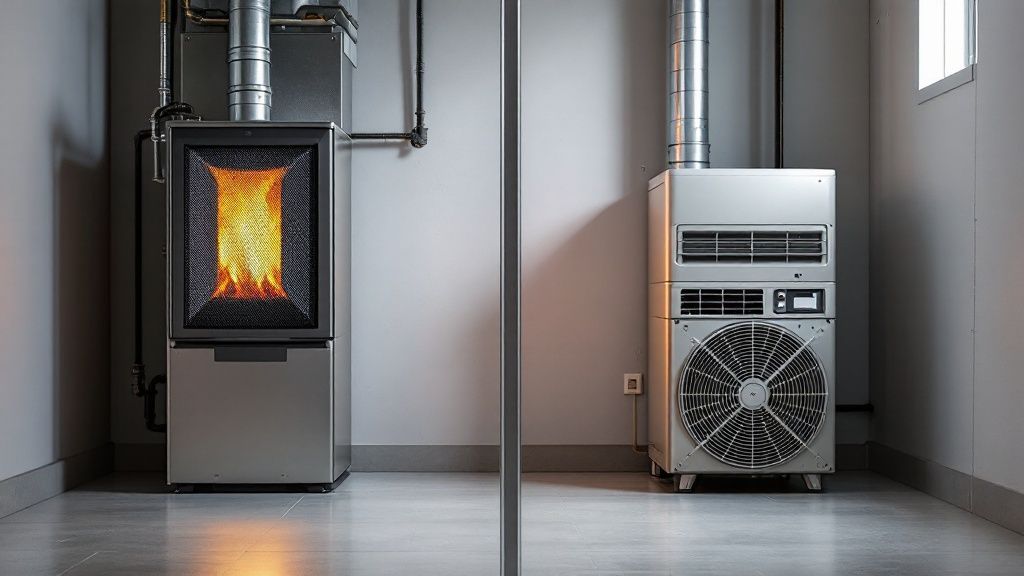
It’s easy to get air handlers and furnaces confused. After all, they’re both typically hidden away in a closet or basement, housed in a similar-looking metal cabinet. But what they do inside that cabinet is fundamentally different. The simplest way to think about it is this: a furnace creates heat by burning fuel, while an air handler circulates air but doesn't produce its own heat. A furnace is both a heat source and a fan, all in one package. An air handler is just the fan, designed to move hot or cold air that’s been created by another piece of equipment. Understanding the Fundamental Difference Grasping this core distinction is the first step in making the right choice for your building. This becomes especially important when you start to choose the right HVAC system for your business , since pairing the wrong components can lead to inefficiency and performance issues. An air handler is really just a sophisticated circulation system. Inside, you’ll find a blower motor, evaporator coils, and air filters. Its only job is to push conditioned air through your ductwork. It's a crucial partner to an air conditioner or a heat pump, but it can’t work alone to heat or cool your space. On the other hand, a furnace is a self-contained heating machine. It generates its own warmth, usually by burning natural gas or oil. The furnace then uses its own internal blower—which is essentially a built-in air handler—to distribute that new heat throughout the building. Quick Comparison: Air Handler vs. Furnace At a Glance To make things even clearer, this quick comparison table breaks down the key differences at a high level. It’s a great way to see the most important distinctions side-by-side. Feature Air Handler Furnace Primary Function Circulates conditioned air (hot or cold) Generates heat and circulates it Heat Source None (pairs with a heat pump or AC) Burns fuel (natural gas, oil) Energy Source All-electric Primarily gas, oil, or propane Common Pairing Heat pumps and some AC-only systems Central air conditioning systems Climate Suitability Ideal for moderate to warm climates Dominant in cold climates This table helps put the roles of each unit into perspective. One is a mover of air, while the other is a maker of heat. Choosing between them comes down to your climate, existing system, and energy source. A furnace is a heating-specific appliance designed to generate heat by burning fuel, while an air handler is primarily a device that circulates and directs air through duct systems in various HVAC setups. How Each System Powers Your Home Comfort To really get the difference between an air handler and a furnace , you have to look past the metal cabinet and see how they actually work. They both play a central role in your home's comfort, but their methods are worlds apart. A furnace actively creates heat, while an air handler is all about moving conditioned air around. Think of a furnace as a heat-generating powerhouse. It's most often fueled by natural gas, and its entire operation is a carefully controlled combustion process built for safety and efficiency. The moment your thermostat signals for heat, a sequence kicks off inside the unit to turn that fuel into cozy warmth for your home. The process is surprisingly direct. Gas is fed to a burner, which ignites inside a sealed chamber. This intense heat warms a critical part called the heat exchanger . As the furnace's blower fan pushes air across the hot exterior of this exchanger, the air heats up fast before being sent on its way through your ducts. The Furnace Combustion Cycle A furnace’s heat creation process follows a few key steps to keep things safe and effective: Ignition: An electronic igniter or pilot light sparks the gas burner inside a secure chamber. Heat Transfer: The flames heat the metal walls of the heat exchanger. This part is crucial because it keeps combustion gases totally separate from the air you breathe. Air Circulation: The furnace’s blower motor kicks on, pulling cooler air from your home’s return ducts. Distribution: This air gets pushed across the hot surface of the heat exchanger, soaking up warmth before circulating throughout your house. In complete contrast to the furnace’s heat production, an air handler is a master of circulation. It's an all-electric unit with zero combustion parts. Its main job is simply to move air that has already been heated or cooled by a separate outdoor unit—usually a heat pump or an air conditioner. The Air Handler Circulation System An air handler is simpler in design but no less vital. You can think of it as the lungs of your HVAC system. Inside, its most important components are the blower motor and the evaporator coil. When you need cooling, refrigerant from your outdoor AC unit flows through this coil, making it ice-cold. The blower then pushes warm indoor air across the coil, cooling it down before sending it back into your rooms. The key takeaway is that a furnace makes its own heat through combustion. An air handler moves heat, either absorbing it for cooling via the evaporator coil or distributing warm air created by a heat pump. This operational difference is exactly why their system pairings are so distinct. Understanding this mechanical divide makes it clear why a furnace is a go-to for frigid climates, while an air handler paired with a heat pump often shines in milder regions. For more tips on getting your setup just right, you can learn how to get the most out of your heating and cooling system in our detailed guide. Head-to-Head HVAC System Comparison Once you get past the basic definitions, the real way to compare these systems is to look at how they perform in the real world. The difference between an air handler and a furnace really snaps into focus when you analyze them across four key areas that directly hit your comfort, your wallet, and your energy usage. This breakdown shows you the core parts of each unit, highlighting the furnace's heat exchanger against the air handler's more flexible blower and coil system. As you can see, a furnace is a self-contained heating machine. An air handler, on the other hand, acts as a central hub that needs an outdoor partner, like a heat pump, to do its job. Energy Source and System Pairing The most fundamental difference comes down to the fuel they use. Furnaces are all about combustion. They run on natural gas, oil, or propane to generate serious heat. This makes them a natural fit for traditional central air conditioners, creating a classic setup where each unit has one job: heating or cooling. In contrast, an air handler is completely electric. It doesn’t create its own heat. Instead, it’s designed to pair with an outdoor heat pump. This combo lets it circulate cool air in the summer and warm air in the winter, making it a key player in modern, all-electric home comfort systems. A furnace is your dedicated heating powerhouse, built for maximum warmth. An air handler is your system's versatile air traffic controller, directing conditioned air wherever it needs to go, all year long. Climate Suitability Where you live matters. A lot. In regions with brutal, freezing winters, furnaces are the undisputed champions. Their power to generate intense heat through combustion guarantees you stay warm even when the temperature outside drops well below 32°F . Air handlers paired with heat pumps, however, really shine in more moderate climates. A heat pump works by moving heat from the outside air, a process that gets harder and less efficient as it gets close to freezing. This makes the air handler and heat pump combo an incredibly efficient solution for places with mild winters and hot summers. Of course, no matter what system you have, its performance depends on clean, solid ductwork. You can learn more about how damaged ductwork impacts your HVAC system's efficiency in our related guide. Total Cost and Market Trends Cost is always more than just the price tag. A gas furnace system might have a lower upfront installation cost, particularly if your home already has gas lines. But keep in mind, shifting natural gas prices can make long-term operating costs unpredictable. An air handler and heat pump system often comes with a higher initial investment. The payoff can be significant long-term savings from superior energy efficiency, especially if you live in a climate where it can operate in its sweet spot. The market reflects these realities. In the United States, the furnace market was valued at over $16.6 billion in 2023, proving it's still the go-to choice in colder parts of the country. At the same time, air handlers are essential parts of almost all forced-air systems, including the growing number of heat pump installations driven by the push toward electrification. Choosing the Right System for Your Climate Understanding the hardware is one thing, but knowing how it applies to your own home is what really matters. When you're deciding between an air handler and a furnace, your geographic location is the single most important factor. The perfect system for a home in Florida could be completely useless for a house facing a brutal Minnesota winter. At the end of the day, the decision comes down to how each system performs when it gets cold. Furnaces are built for freezing temperatures, while air handlers paired with heat pumps shine in more moderate conditions. The Cold Climate Scenario: A Northern Home Picture a home in a region where winter temperatures consistently dip below freezing and stay there for weeks on end. In this kind of environment, a high-efficiency gas furnace is almost always the best call. It generates powerful, steady heat by burning fuel, ensuring your home stays warm and comfortable no matter how low the thermometer drops. An air handler gets its heat from a heat pump, which works by pulling heat from the outside air. That's a great trick when it's cool out, but when the air is already frozen, there’s very little heat left to pull inside. This forces the system to fall back on its secondary electric heat strips, which are far less efficient and can send your utility bills soaring. For homes in climates with severe winters, a furnace provides reliable, powerful heat that a heat pump and air handler combo just can't match in sub-freezing weather. It’s simply the most practical choice for consistent warmth. The Moderate Climate Scenario: A Southern Home Now, let's flip the script. Imagine a homeowner in a warmer, southern state where winters are mild and summers are hot and humid. Here, an all-electric system with an air handler and a heat pump becomes the most logical and energy-efficient solution. This setup is great at cooling your home and can easily provide enough heat for the occasional chilly day. Since a heat pump operates most efficiently above 35-40°F , it can handle the region's mild heating needs without guzzling energy. For year-round comfort in these warmer zones, this pairing offers significant long-term savings. This is a big reason why this combination is so popular in new construction across the Sun Belt. In fact, the U.S. residential building boom has heavily influenced air furnace market trends , as different systems are selected to meet regional demands for either quick heating or balanced, year-round efficiency. Comparing HVAC Costs and Installation Realities A new HVAC system is a big investment, so getting a handle on the financial side is a must. The total cost is more than just the price of the unit—it's the equipment, the installation, and what you'll pay every month to run it. Whether you go with a furnace setup or an air handler system will shape all three of those costs. Typically, a gas furnace paired with a central air conditioner tends to have a lower upfront cost, especially if your home already has natural gas lines. On the other hand, an all-electric system with an air handler and a heat pump usually requires a larger initial investment. Understanding Efficiency and Long-Term Savings Beyond that initial price tag, efficiency ratings are what really drive your monthly energy bills. These numbers show you how well a unit turns energy into comfort, and they help clear up the difference between an air handler and furnace when it comes to long-term value. AFUE (Annual Fuel Utilization Efficiency): This is the rating for furnaces. A modern high-efficiency furnace can hit an AFUE of 95% or more, which means only 5% of the fuel is wasted. SEER2 (Seasonal Energy Efficiency Ratio 2): This one measures cooling efficiency for both air conditioners and heat pumps. The higher the SEER2 rating, the less you'll spend on electricity in the summer. HSPF2 (Heating Seasonal Performance Factor 2): This rating is just for heat pumps and tells you how efficient they are at heating. A higher HSPF2 means better performance and lower energy use in the winter. While a furnace might be cheaper to install upfront, a really efficient heat pump and air handler combo can deliver serious savings on utility bills over the years, especially in moderate climates. Here's a quick look at how the costs and efficiency metrics generally stack up. Cost and Efficiency Breakdown This table gives you a general idea of the cost and efficiency ranges for both types of systems. Keep in mind that local labor rates, home size, and the specific models you choose will affect the final numbers. Factor Furnace with AC Air Handler with Heat Pump Upfront Equipment Cost Lower to Moderate Moderate to High Installation Complexity Simpler (if replacing like-for-like) More complex (indoor/outdoor units) Heating Efficiency AFUE : up to 98% HSPF2 : 8.5 to 12.5+ (very efficient) Cooling Efficiency SEER2 : 13 to 21+ SEER2 : 13 to 24+ Long-Term Operating Cost Depends heavily on natural gas prices Lower, especially in mild climates Ultimately, a high-efficiency heat pump system often pays for its higher upfront cost through lower monthly energy bills over its lifespan. The most cost-effective system is one that balances upfront investment with long-term energy savings tailored to your specific climate and local utility rates. Installation and System Overhauls The installation process for each system brings its own set of challenges and costs. Swapping an old furnace for a new one is often a pretty straightforward job if the ductwork, gas lines, and ventilation are already in good shape. It’s a focused project on a single piece of equipment. You can learn more by checking out this expert guide on installing a high-efficiency furnace . Putting in an air handler with a new heat pump can be a bigger project, particularly if you’re switching from a furnace. This kind of job involves both indoor and outdoor work, like running new refrigerant lines and electrical wiring between the two units. It’s less of a simple swap and more of a full system overhaul. Don't forget to look into potential rebates and tax credits. Many government and utility programs offer great incentives for installing high-efficiency heat pumps, which can cut down the initial cost significantly and make the air handler option much more competitive. Common Questions About Air Handlers and Furnaces Even after breaking down the components and costs, homeowners often have a few lingering questions. HVAC terminology can be confusing, so we’ve put together clear, direct answers to the most common points of confusion. Think of this as your practical guide to making a more confident decision. We'll tackle the frequent queries about system compatibility, energy sources, and warning signs of failure. Getting these details right ensures your home comfort system is effective, efficient, and ready for the years ahead. Can I Have Both an Air Handler and a Furnace? Yes, and it’s actually the most common setup in homes with traditional central air. In this configuration, the furnace unit itself contains the essential parts of an air handler—most importantly, the blower motor . When you need heat, the furnace ignites, and its internal blower circulates the warm air. In the summer, the furnace’s combustion side shuts down completely, but that same blower motor works with your outdoor AC unit to push cool air through your home. A modern furnace is essentially a heat generator and an air handler built into one cabinet. Does an Air Handler Use Natural Gas? No, an air handler is a fully electric device. Its only job is to move air using an electric blower motor. While some air handlers have electric resistance heating coils (often called heat strips) for supplemental warmth, they don't burn any fuel. A furnace is the component that uses natural gas, oil, or propane to create heat through combustion. If your HVAC system is hooked up to a gas line, you have a furnace, which has its own air-handling components inside. The key difference is simple: an air handler moves air, while a furnace creates heat by burning fuel. An air handler is the heart of an all-electric system, working with a heat pump or AC. A furnace is the engine of a combustion-based system, creating its own heat before distributing it. Which System Is More Energy Efficient? This one comes down to your climate and local energy costs. There isn't a single "more efficient" option—it’s all about matching the technology to your environment. For Cold Climates: In places with harsh, freezing winters, a high-efficiency gas furnace with an AFUE rating of 95% or higher is usually more powerful and cost-effective. A heat pump loses a lot of efficiency as temperatures drop toward freezing, forcing it to use expensive electric heat strips. For Moderate Climates: In areas with mild winters and hot summers, a modern heat pump and air handler combination is far more energy-efficient. That’s because a heat pump moves existing heat instead of creating it from scratch. For those who want the best of both worlds, a dual-fuel system is a great choice. It combines a gas furnace for the extreme cold with a heat pump for milder weather, giving you fantastic year-round efficiency. What Are Signs My System Is Failing? Knowing the warning signs of a failing air handler or furnace helps you catch problems before they lead to a total breakdown. Both systems share some common symptoms, but each has unique red flags. Common warning signs for either system include: Sudden spikes in your energy bills Odd noises like grinding, squealing, or banging Weak airflow or inconsistent temperatures from vents The system cycling on and off too frequently For a furnace , you should also watch for a flickering or yellow burner flame (it should be a steady blue) or any visible rust on the unit. With an air handler , a persistent musty smell can point to issues with the evaporator coil. A regular upkeep schedule is the best way to keep your system running smoothly. You can learn more about preventive maintenance best practices for HVAC to extend its lifespan. At Putnam Mechanical LLC , we provide expert guidance and service for all types of commercial HVAC systems, ensuring you have the right equipment for your facility's needs. If you need professional advice on your system or require installation or repair services, visit us at https://pmechanicalfl.com to schedule a consultation.
- Installing a High Efficiency Furnace: Your Expert Guide
Thinking about replacing your commercial furnace? Don't just think of it as a replacement—see it as a strategic investment in your property's future. Upgrading to a high-efficiency unit is a smart business move that delivers a powerful return through lower energy bills , better comfort for your tenants or employees, and a reduced carbon footprint that aligns with modern expectations. The Business Case for a High Efficiency Furnace When you're looking at a new furnace, the first thing on your mind is probably the bottom line. That's fair. The operational savings from a high-efficiency model are substantial, and they start from day one. But the real value goes far beyond just cutting costs. This upgrade impacts everything from tenant satisfaction and property value to your company's public image. It's not just about swapping an old box for a new one. Modern high-efficiency furnaces are packed with smart technology designed to perform better and use energy smarter. Understanding what's under the hood makes it clear why this is such a solid long-term investment. Unpacking the Technology and Benefits The real magic of these systems is in their Annual Fuel Utilization Efficiency (AFUE) rating. Your old furnace might be chugging along at 70-80% AFUE, meaning a good chunk of your fuel money is going right up the chimney. High-efficiency models, on the other hand, can hit up to 99% AFUE . That means for every dollar you spend on fuel, 99 cents goes directly into heating your building. This massive leap in efficiency comes from a few key pieces of tech: Secondary Heat Exchanger: This is the real game-changer. It grabs heat from the exhaust gases that older furnaces waste, squeezing every last bit of energy out of your fuel. Modulating Gas Valves: Instead of blasting "on" or shutting "off," these valves adjust the flame in tiny increments to perfectly match the building's heating needs. This smooth operation prevents energy-wasting cycles and keeps temperatures incredibly consistent. Variable-Speed Blowers: These smart motors adjust their speed based on demand, using far less electricity than old single-speed blowers. The result is quieter operation and more even airflow throughout your space. A high-efficiency furnace isn't just another piece of HVAC equipment; it's a strategic asset. By slashing energy waste and boosting comfort, it directly contributes to a more profitable and sustainable building. Plus, a comfortable environment makes your property far more attractive in a competitive market. To give you a clearer picture, here’s a quick breakdown of how these units stack up. High Efficiency vs Standard Furnace A Quick Comparison This table offers a side-by-side look at the key differences in performance and financial impact between standard and high-efficiency models. It really highlights where the value is. Feature Standard Efficiency Furnace (80% AFUE) High Efficiency Furnace (95%+ AFUE) Energy Efficiency Wastes 20% of fuel as exhaust Wastes less than 5% of fuel Monthly Bills Higher operational costs Significant monthly energy savings Technology Single-stage heating, single-speed blower Modulating heat, variable-speed blower Comfort Prone to temperature swings, hot/cold spots Consistent, even heating throughout Venting Requires a traditional chimney Vents through PVC pipe, more flexible Upfront Cost Lower initial investment Higher initial investment Long-Term ROI Lower return over the unit's lifespan Higher ROI through energy savings As you can see, while the initial cost is higher, the long-term savings and performance benefits make a high-efficiency unit the smarter financial choice over time. Beyond the Balance Sheet The numbers are compelling, but the operational and environmental benefits are just as crucial. Better temperature control gets rid of those annoying hot and cold spots—a frequent complaint in commercial buildings—which leads to happier, more productive people. You can also explore other ways to https://www.pmechanicalfl.com/post/boost-commercial-building-energy-efficiency-today that work hand-in-hand with your new furnace. A lower carbon footprint also sends a powerful message. Aligning with sustainable building practices and energy efficiency standards shows a commitment to the environment that can boost your brand's reputation and attract eco-conscious clients and tenants. The entire industry is moving in this direction. The global furnace market is projected to jump from USD 18.1 billion in 2025 to USD 30.3 billion by 2035 , largely because of rising energy standards and the need to replace outdated systems. This trend shows that investing in efficiency isn't just a good idea—it's the future. Pre-Installation Planning and Assessment A high-efficiency furnace installation is won or lost long before anyone picks up a tool. This planning phase is everything. Think of it as your project's blueprint—it’s what prevents those costly surprises down the line and makes sure your new system performs at its peak from day one. Jumping straight into the installation without a detailed assessment is one of the most common—and expensive—mistakes we see. Every commercial building has its own quirks, from the ductwork and ventilation to the electrical setup. A thorough site evaluation isn't just a good idea; it's a non-negotiable first step. This process is all about getting a complete picture of your building's existing systems. We’re looking for potential roadblocks and, just as importantly, opportunities to make things even better. Conducting a Thorough Site Assessment Your initial walkthrough needs to be meticulous. Start with the heart of any HVAC system: the ductwork. Are there obvious signs of damage, like crushed sections, gaps, or joints that have come apart? Leaky ducts will kill the efficiency of even the best furnace, dumping all that precious heated air into ceilings and crawlspaces. You can learn more about how damaged ductwork impacts your HVAC system’s efficiency in our detailed guide. Next up, get your eyes on the ventilation and electrical systems. High-efficiency furnaces have very specific venting needs, usually involving PVC pipes for both intake and exhaust. You’ll need to map out a clear path for these pipes to run from the furnace to an exterior wall or the roof, making sure you follow the manufacturer's specs on length and pitch. Your electrical panel also needs to be able to handle the new unit's load without issue. Here are the key things to zero in on during your assessment: Existing Duct Condition: Check for leaks, proper sizing, and good insulation. Undersized or leaky ducts will choke the airflow and make your new furnace underperform. Venting Pathways: Find a direct route for the new PVC intake and exhaust pipes. Too many bends will restrict airflow and cause problems. Condensate Drain Access: These high-efficiency units produce condensation, and that water has to go somewhere. Make sure there’s a floor drain nearby or a spot to install a condensate pump. Electrical System Compatibility: Verify the circuit breakers and wiring can safely support the new furnace's electrical demands. Gas Line Adequacy: If you're installing a natural gas furnace, the gas line must be the right size and in good shape to fuel the unit safely. A critical part of this is ensuring you install natural gas lines safely and correctly according to code. The Importance of Accurate Load Calculations One of the biggest mistakes you can make in a furnace installation is getting the size wrong. A unit that's too big or too small will lead to inefficiency, extra wear and tear, and uncomfortable temperature swings. The industry standard for getting this right is a Manual J load calculation . This isn't just a guess based on square footage. A proper Manual J calculation is a deep dive that looks at dozens of factors specific to your building. A proper load calculation is the foundation of an efficient HVAC system. It ensures you're investing in a furnace that's perfectly matched to your building's unique heating needs, preventing the energy waste and premature failure associated with incorrectly sized equipment. This image breaks down the basic process of how these high-efficiency units work. It shows the closed-loop system that makes them so effective—using outside air for combustion and squeezing out every bit of heat before sending it through your building. Navigating Codes, Permits, and Rebates Finally, the planning phase isn't complete without tackling the paperwork. Every town and city has specific building codes for HVAC installations. Ignoring them can lead to failed inspections, fines, and having to redo expensive work. Before any work starts, get in touch with your local building department to understand the permit requirements for installing a high efficiency furnace . A licensed contractor can usually handle this for you, making sure everything is documented and up to code. This is also the perfect time to look for financial incentives. Many utility companies and government agencies offer great rebates for upgrading to energy-efficient equipment. These programs can seriously reduce your upfront cost. A quick search on your utility provider's website can often uncover hundreds or even thousands of dollars in savings. Choosing the Right Furnace and Contractor A successful furnace installation really comes down to two things: picking the right equipment and hiring the right team. If you get one of these wrong, the whole investment can be undermined, leaving you with years of frustrating inefficiency. Let’s walk through how to handle both of these critical decisions. First, you have to speak the language of furnaces. Those product spec sheets can look like alphabet soup, but a couple of key terms tell you almost everything you need to know. The big one is the AFUE rating . An AFUE of 95% means that for every dollar you spend on fuel, 95 cents is converted directly into heat for your building. Another crucial number is the BTU output , which is just a measure of the furnace's raw heating power. This absolutely must be figured out with a proper load calculation—not a quick guess based on square footage. An oversized unit will short-cycle constantly, wasting energy and wearing itself out. An undersized one will run nonstop and never hit your target temperature. Decoding Furnace Types Beyond the basic specs, high-efficiency furnaces operate in a few different ways. Each offers a different level of comfort and efficiency, so matching the type to your commercial space is key. Single-Stage Furnaces: These are your basic "on" or "off" models, like a light switch. They're the most affordable high-efficiency option, but they can create noticeable temperature swings as the system cycles. Two-Stage Furnaces: This is a big step up. These units have a "low" and a "high" setting, running on the quieter, more efficient low setting (around 65% capacity) most of the time. They only kick into high gear on the absolute coldest days, giving you more consistent heat. Modulating Furnaces: This is the top-tier technology. Instead of just two stages, a modulating furnace adjusts its heat output in tiny increments—often as small as 1% . It runs almost continuously at a very low level, perfectly matching the building’s heating needs in real-time. The result is incredible energy savings and rock-solid indoor temperatures. The warm air furnace market, dominated by these high-efficiency models, is a huge part of the global HVAC industry. It accounted for over USD 8.9 billion in 2024 and is only expected to grow. Why? Because these units provide fast, effective heat and have impressive lifespans of 15 to 30 years , often outlasting other systems. You can dig into the numbers in this market analysis on warm air furnaces . Vetting Your HVAC Contractor Once you have a good idea of the equipment you need, your focus should shift to finding the right installer. The quality of the installation is just as important as the quality of the furnace. A sloppy job can completely ruin the performance of even the most advanced unit. A top-of-the-line, 97% AFUE modulating furnace installed improperly will perform worse than an 80% AFUE standard unit installed by a true professional. The expertise of the technician is a non-negotiable part of the equation. When you're interviewing potential HVAC contractors, you aren’t just looking for someone to connect pipes. You need a partner with specific, hands-on experience in installing a high efficiency furnace in a commercial building like yours. Here's a practical checklist to run through with every potential contractor: Licensing and Insurance: Ask for their state license number and proof of liability and worker's comp insurance. This is non-negotiable and protects your business from any accidents. Experience with High-Efficiency Systems: How many of these units have they installed in the last year? Can they give you examples of similar projects? They should be experts in setting up the required PVC venting and condensate drains. Load Calculation Method: Confirm they will perform a Manual J load calculation. If they just want to size the unit based on square footage, that’s a red flag. Walk away. Permits and Inspections: Do they handle all the local permits and schedule the final inspection? A professional company manages this entire process for you. Warranties: What kind of warranty do they offer on their labor? This is separate from the manufacturer’s equipment warranty and shows how much they stand behind their work. Don't assume a bigger company is automatically better. You should also read our guide on why bigger isn't always better when choosing an HVAC company . Look for a contractor who gives you a detailed, itemized quote, takes the time to answer your questions, and has a solid local reputation. Doing your homework here ensures your investment is in good hands. What to Expect on Installation Day The big day is here. After all the planning, your new high-efficiency furnace is ready to be installed. Knowing what’s coming will help you oversee the project with confidence and ensure everything goes smoothly from start to finish. From the moment the technicians arrive, it should be a well-oiled machine. A professional installation team always starts by prepping the site. This isn’t just about rolling in the toolboxes. They should be laying down drop cloths and other protective coverings to keep your floors and nearby equipment safe from dust and scuffs. Your job is to make sure the immediate work area is clear, giving the crew a safe and accessible space to get the job done right. The Removal and Prep Phase First things first, the old furnace has to go. This is a critical step that has to be handled safely, beginning with shutting off the gas and electrical supply to the unit. The crew will then carefully disconnect all the existing ductwork, gas lines, and wiring before hauling the old, heavy furnace out of your building. Proper disposal is a sign of a true professional. A reputable contractor won't just leave the old unit by the dumpster. They’ll manage its responsible disposal and recycling according to local regulations, which often have strict rules for handling things like refrigerants. Once the old unit is out of the way, the real work of installing a high efficiency furnace begins. This part of the job often means making a few changes to your existing setup. For instance, the plenum —that's the big box connecting the furnace to your main ducts—might need to be resized or adjusted. Getting a perfect fit here is key to achieving optimal airflow and system efficiency. Critical Connections and Venting With the new furnace set in place, the team will turn their attention to the connections. This is where you’ll see one of the signature features of a high-efficiency model: the new PVC pipes for intake and exhaust. Unlike the old metal flues, these plastic pipes pull in fresh air for combustion from outside and safely vent the cooler exhaust gases. The installer has to get the pitch of these pipes just right. The vent pipes for a high-efficiency furnace need to slope back toward the furnace—usually about a quarter-inch per foot . This slope ensures the acidic condensation that forms inside drains properly, preventing it from freezing at the vent outside and shutting down your system in the middle of winter. This brings us to another vital step: the condensate drain. High-efficiency furnaces are so good at pulling heat from the exhaust that water vapor condenses into liquid. This water has to go somewhere. The installer will run a drain line from the furnace to a floor drain or a small condensate pump. A bad drain setup is a common point of failure, often leading to water damage and system malfunctions. Finally, the technicians will hook up the gas and electrical lines, making sure every connection is tight, secure, and up to code. System Startup and Final Checks The job isn’t over just because everything is connected. The final, and arguably most important, phase is the system startup and commissioning. This is where the technician fires up the furnace for the first time and runs through a detailed checklist to make sure it's operating safely and at peak performance. These checks are non-negotiable and should always include: Verifying Gas Pressure: Using a manometer, the technician will confirm the gas pressure is set precisely to the manufacturer’s specs for safe, efficient combustion. Checking for Leaks: Every gas line connection is carefully checked with a leak detection solution to ensure there are absolutely no dangerous gas leaks. Calibrating the Thermostat: The thermostat is tested to make sure it’s communicating properly with the furnace and cycling it on and off correctly. Measuring Temperature Rise: The tech will measure the temperature difference between the air going in and the air coming out to confirm the furnace is heating within its specified range. Only after these safety and performance checks pass with flying colors is the installation truly complete. The crew should clean up the entire work area, leaving your space just as they found it. A good contractor will also walk you through how to operate your new system and explain any maintenance needs before they pack up. Optimizing Your New Furnace After Installation The heat is on and the installation is done, but our work isn't finished just yet. To get every ounce of performance out of your new furnace, you need a smart post-installation strategy. This last phase is all about protecting your investment and making sure you get the efficiency and comfort you paid for. Before your contractor packs up, walk through a final commissioning checklist with them. This is your chance to confirm everything is running exactly as it should. Don't be shy—ask them to show you the thermostat settings and verify that airflow feels balanced from room to room. A quick check now can prevent bigger headaches down the road. Getting this right is crucial. The furnace market is booming, with the residential side alone expected to jump from USD 7.60 billion in 2024 to over USD 10.21 billion by 2032 . People want efficiency and lower bills, which makes proper optimization more important than ever. Creating a Proactive Maintenance Schedule Long-term performance really comes down to consistent care. Your new high-efficiency furnace is a finely tuned machine, and a simple maintenance schedule is the key to keeping it that way. Trust me, proactive care is always cheaper than an emergency repair call. The easiest and most critical task is changing the air filter. When a filter gets clogged, it restricts airflow and forces the blower motor to work harder. That wastes electricity and can lead to a system failure way sooner than you'd expect. Here’s a practical schedule to stick to: Monthly Checks: Just take a quick look at the air filter. In a busy commercial building, you’ll likely need to replace it every 30-60 days . Annual Professional Servicing: Once a year, right before heating season kicks into gear, schedule a professional tune-up. A technician will clean key components, inspect the heat exchanger, and check all the electrical connections for safety. Regular upkeep, including professional furnace and duct cleaning services , ensures your furnace operates at its best. Clean ducts mean your system isn’t fighting against dust and debris, which directly improves efficiency and the air quality for everyone in the building. Integrating Smart Controls for Maximum Savings To truly get the most out of your investment, you'll want to pair your new furnace with smart building controls. A modern smart thermostat does more than just turn the heat up and down; it actually learns your building's occupancy patterns and optimizes heating schedules on its own. This one simple upgrade can deliver an extra 10-15% in energy savings. Think of a smart thermostat as the brain of your new HVAC system. It connects the high-efficiency hardware to your building's real-world usage patterns, ensuring you never waste a cent heating an empty space. When you link your furnace to a building automation system (BAS), you unlock even more control. You can manage temperatures across different zones, watch energy consumption in real-time, and get alerts if the system flags a problem. This level of oversight makes it easier than ever to get the most out of your heating and cooling system . It’s the final step that turns your furnace from a standalone unit into an intelligent part of your building's operational strategy. Common Questions About Furnace Upgrades Even with a solid plan, a few questions always seem to pop up when you're thinking about a major furnace upgrade. It's completely normal. Building managers and property owners I talk to often have the same practical concerns about cost, compatibility, and what the new tech really means for their building day-to-day. Let's cut through the noise and tackle the most common ones head-on. What Is the Real Upfront Cost Difference? There’s no getting around it—a high-efficiency furnace with a 90%+ AFUE rating will have a higher price tag. You’re typically looking at 25-50% more than a standard 80% AFUE model. That extra cost covers the advanced components that make it so efficient, like the all-important secondary heat exchanger and the specific PVC venting materials it needs. But looking at that initial number alone is a mistake. For a commercial building, the energy savings over the furnace's 15- to 20-year lifespan almost always pay back that initial investment, and then some. Utility rebates can also take a nice chunk out of that upfront cost. If you really want to get into the numbers, our guide on demystifying the cost of commercial HVAC systems breaks it all down. What New Venting Is Required? This is probably one of the biggest—and most important—changes. Standard-efficiency furnaces push hot exhaust out through a traditional metal chimney. High-efficiency units are different. They use a sealed, two-pipe PVC system that runs directly to an exterior wall or the roof. Intake Pipe: Pulls fresh, clean air from outside for combustion. Exhaust Pipe: Pushes out the much cooler exhaust gases. This sealed system is a core part of its efficiency and is much safer. Your installation plan absolutely has to map out a route for these new pipes. A pro installer will make sure the pipes are pitched just right to drain condensation, which is a small detail that prevents huge problems down the road. Can I Use My Existing Ductwork? In most cases, the answer is "yes, but..." It always comes with the condition that a certified HVAC contractor needs to give your ductwork a thorough inspection first. It’s non-negotiable. We need to confirm your ducts are correctly sized for the new furnace's airflow and that they're in good shape. High-efficiency furnaces often have variable-speed blowers that need well-designed ducts to work their magic. If your ducts are undersized or leaking, you simply won't get the efficiency you're paying for. We might need to seal some leaks or make a few modifications to ensure you get balanced, effective airflow. Why Is the AFUE Rating So Important? AFUE stands for Annual Fuel Utilization Efficiency . It’s the single most important number to look at. It’s a simple percentage that tells you how much of your fuel gets turned into usable heat versus how much is just wasted. Think of it this way: a furnace with a 95% AFUE rating means 95 cents of every dollar you spend on fuel becomes heat. Only 5 cents is lost. An older 80% AFUE unit wastes four times as much—a full 20 cents of every dollar. For a commercial property, that percentage isn't just a sticker on a machine. It translates directly into thousands of dollars in operational savings every single year. The higher the AFUE, the lower your utility bills and the smaller your building's carbon footprint. It’s a win-win. Ready to upgrade your commercial heating system with confidence? The experts at Putnam Mechanical LLC have the experience to ensure your high-efficiency furnace installation is done right, maximizing your return on investment from day one. Contact us for a professional assessment at https://pmechanicalfl.com .