
Reliable Commercial Refrigeration And HVAC Service For Sarasota, Florida And Surrounding Area Businesses That Depend On Cooling, Comfort, Airflow, And Temperature Control Every Day.
24/7 Emergency Dispatch | Walk-In Coolers & Freezers | Rooftop Units | Ice Machines | Refrigerant Leak Repair
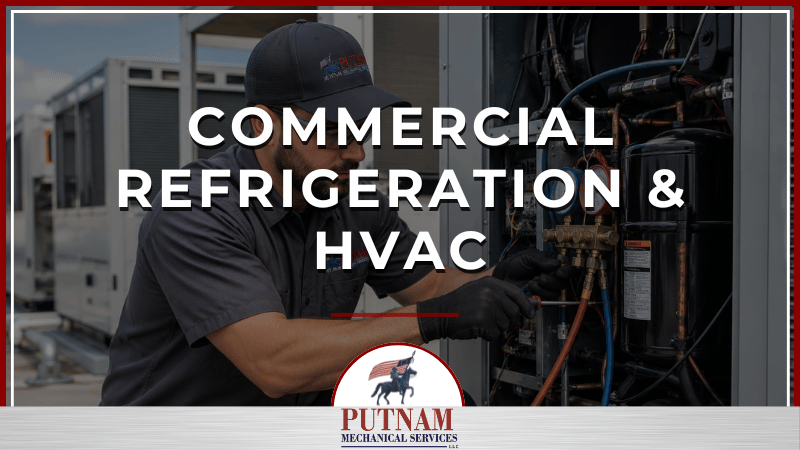
Commercial refrigeration and HVAC equipment operates under constant strain in Florida’s heat, humidity, and extended cooling season. A failed walk-in cooler, freezer, rooftop unit, ice machine, or commercial AC system can quickly impact inventory, comfort, food safety, staff productivity, and daily operations.
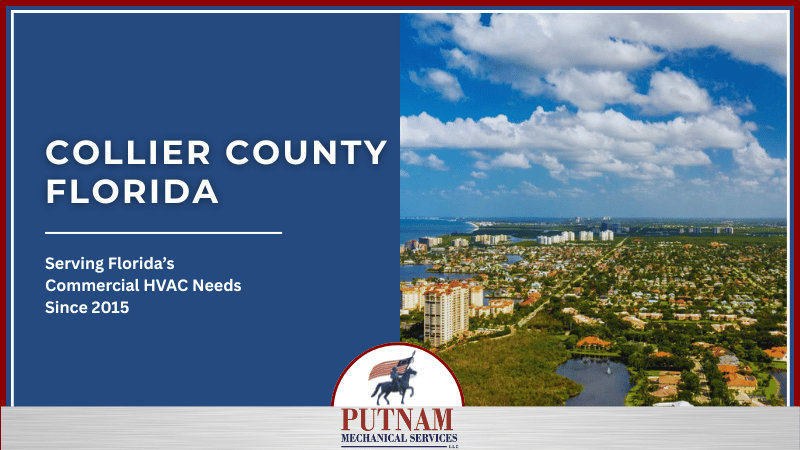
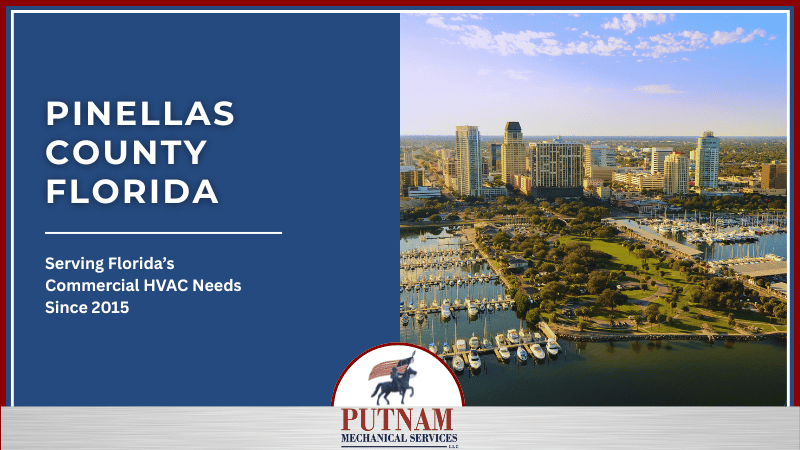
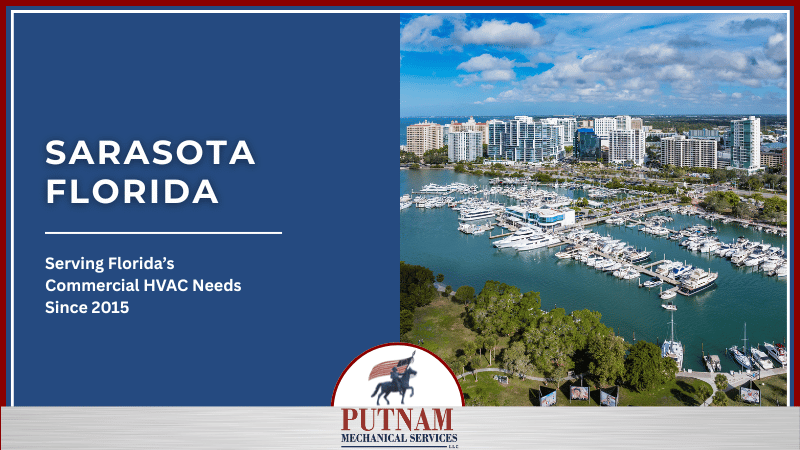
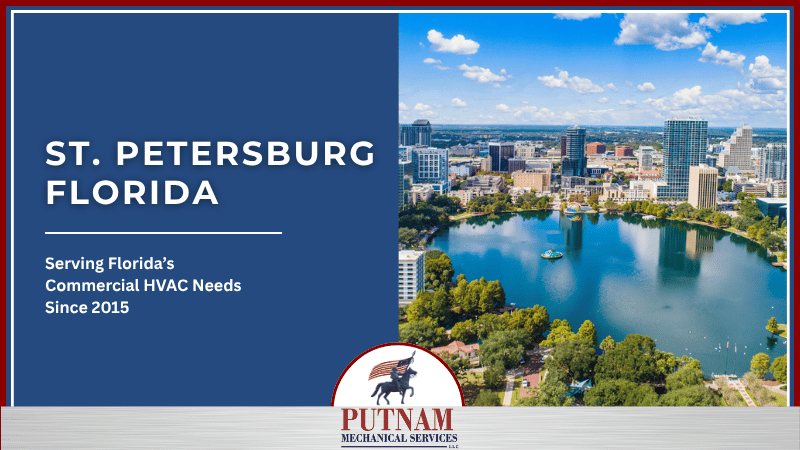
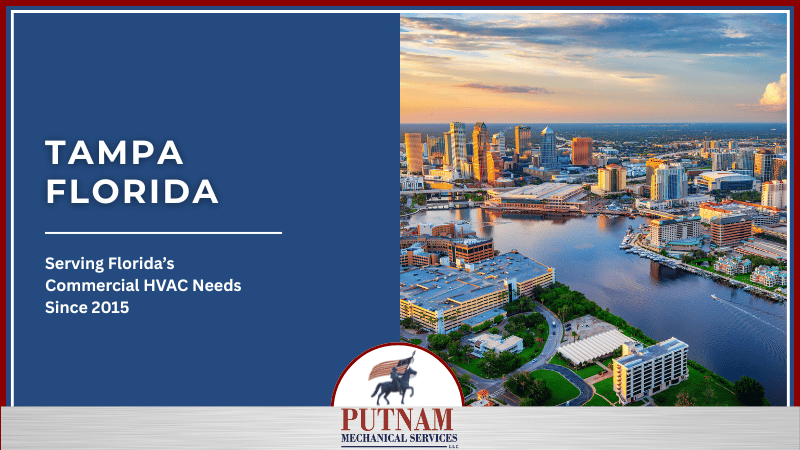
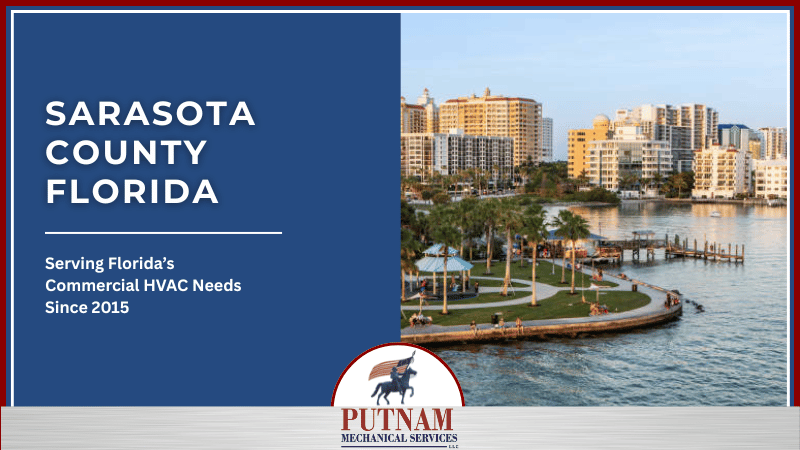
Headquartered in Sarasota, Putnam Mechanical provides commercial refrigeration and HVAC services for restaurants, grocery and convenience stores, healthcare facilities, hotels, retail spaces, multi-tenant buildings, and light industrial properties across Florida’s Gulf Coast, including Collier County, Hillsborough County, Lee County, Manatee County, Pinellas County, Sarasota County and surrounding areas.
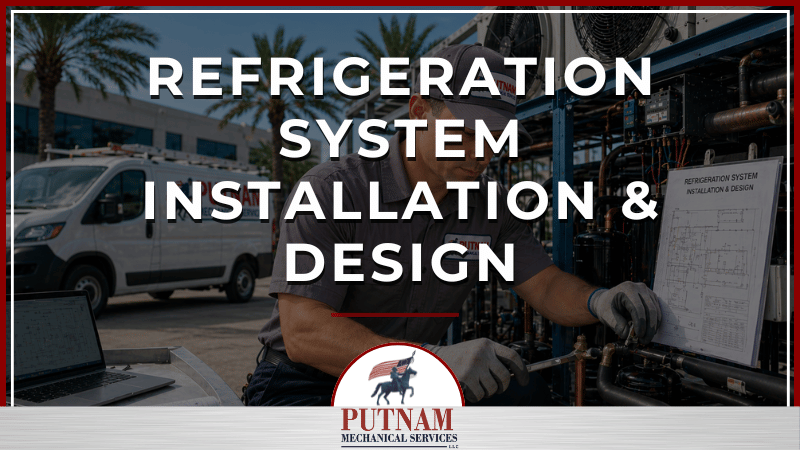
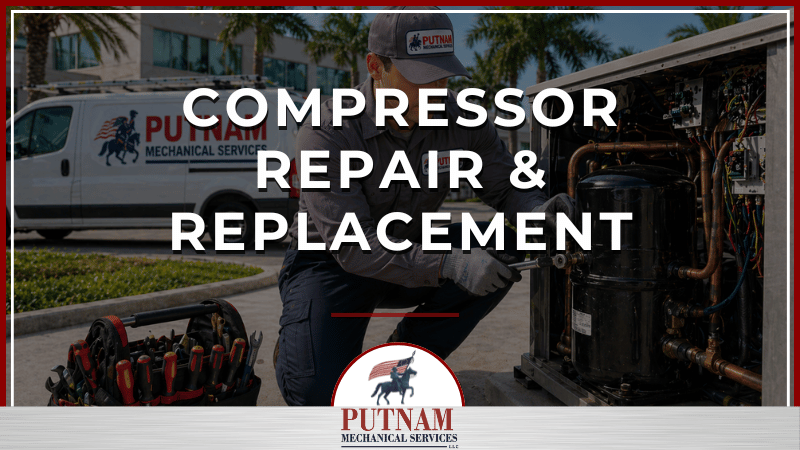
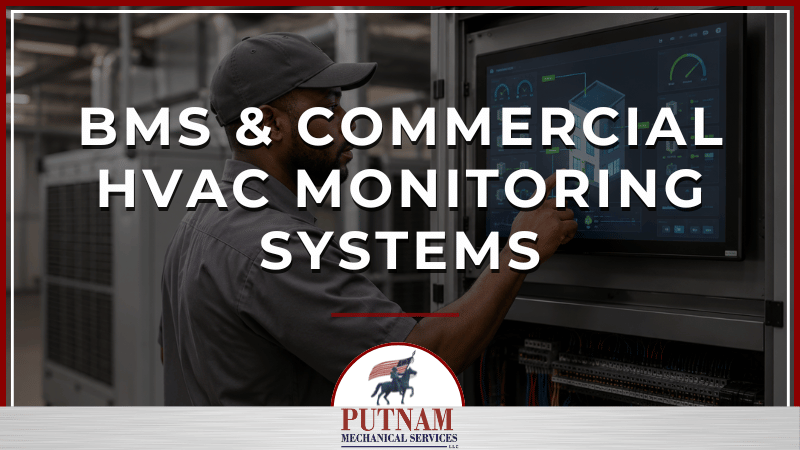
Our experts manage the full lifecycle of commercial cooling equipment, including diagnostics, repair, replacement, installation, airflow correction, controls and monitoring systems, refrigerant leak detection, compressor service, and preventative maintenance. We also provide energy efficiency upgrades, building balance, ductwork repairs, commercial HVAC repair, HVAC replacements and additions, refrigeration system installation and design, refrigeration equipment support, ice machine maintenance, and food safety and temperature compliance services.
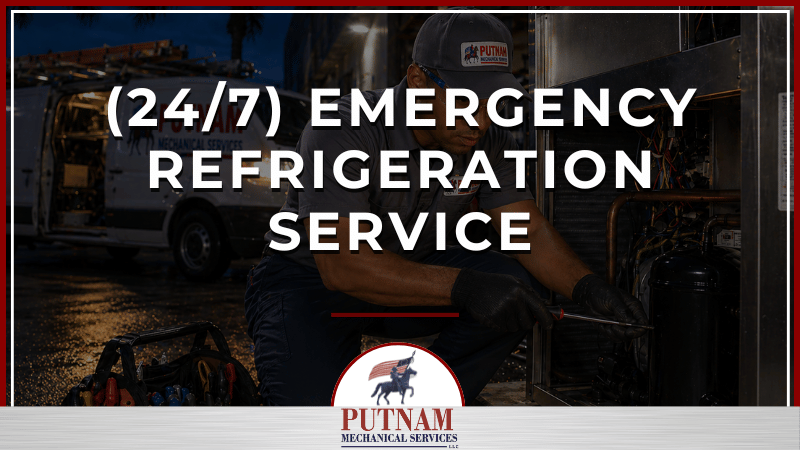
Because refrigeration and HVAC failures rarely happen on a convenient schedule, our service is supported by 24/7 emergency response for urgent equipment issues that cannot wait.
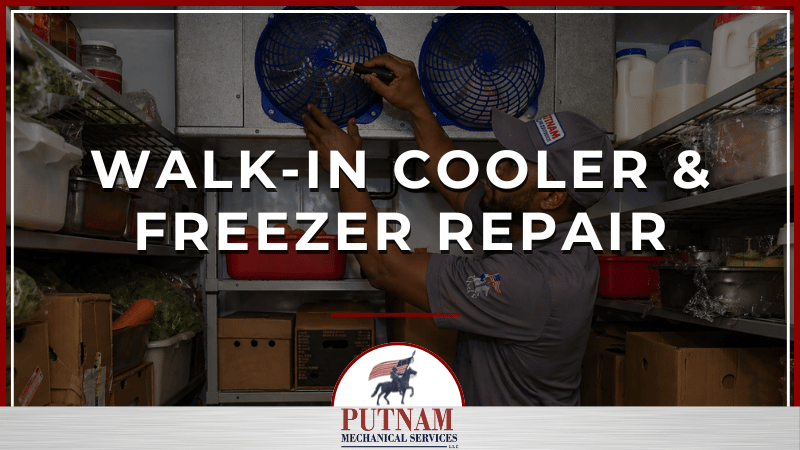
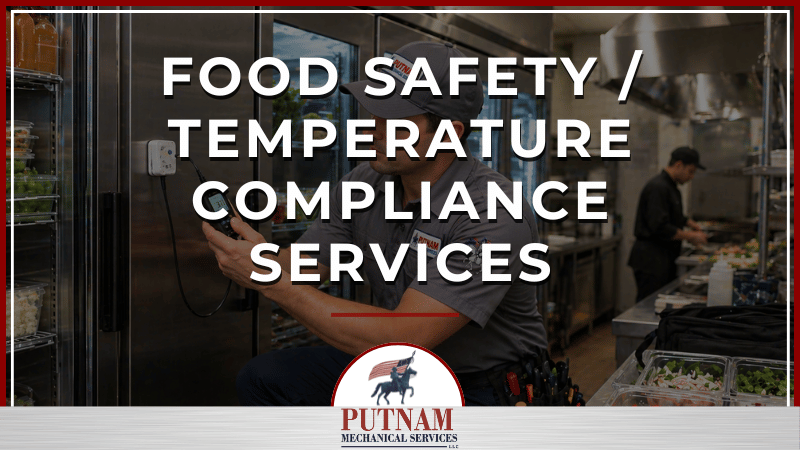
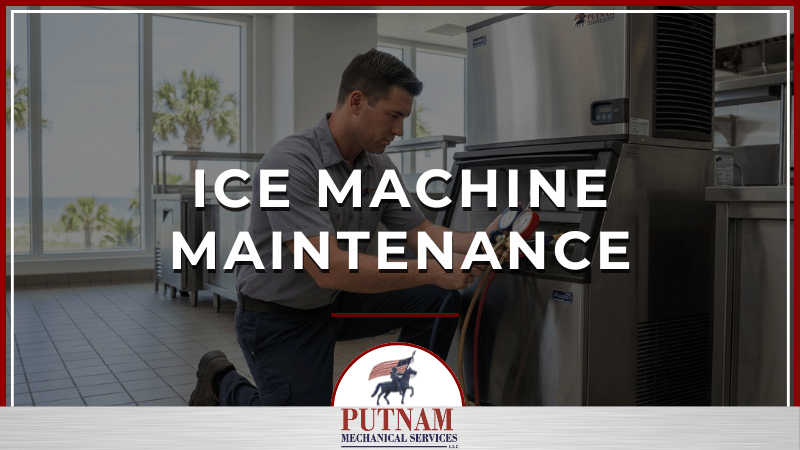
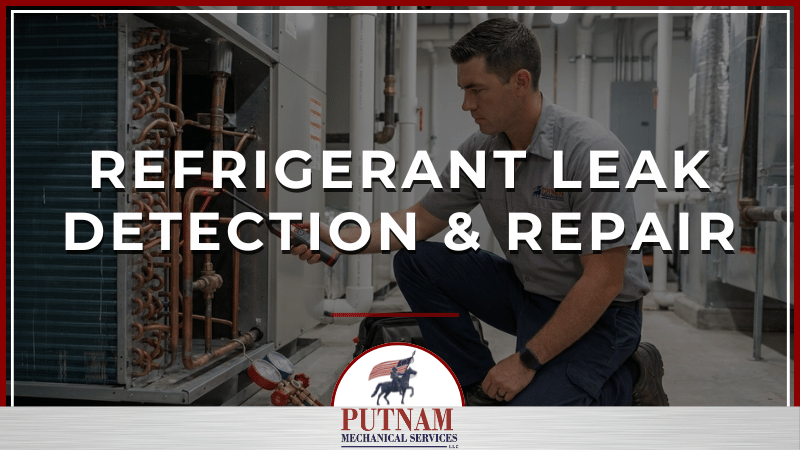
Commercial refrigeration and HVAC needs vary by property type. A restaurant may need walk-in cooler repair, freezer temperature stability, ice machine maintenance, and kitchen airflow support. A grocery store depends on display cases, reach-in coolers, prep tables, and refrigeration systems that hold temperature consistently. A healthcare facility may need reliable comfort, humidity control, and minimal disruption during service.
Headquartered in Sarasota and serving Collier County, Hillsborough County, Lee County, Manatee County, Pinellas County, Sarasota County and surrounding areas, Putnam Mechanical supports restaurants, food-service businesses, grocery and convenience stores, healthcare and dental offices, hospitality properties, retail spaces, multi-tenant office buildings, light industrial facilities, and warehouse environments.
Florida’s heat, humidity, salt air, storms, and extended cooling season place constant mechanical and electrical stress on commercial refrigeration and HVAC systems.
Compressors run longer hours. Coils corrode faster near the coast. Condensate systems work harder in high humidity. Refrigeration equipment must hold stable temperatures even during peak demand. Rooftop units, walk-in coolers, freezers, ice machines, and controls all need service tailored to Florida’s operating conditions.
Based in Sarasota, Putnam Mechanical sizes, repairs, replaces, and maintains equipment with those demands in mind instead of applying a generic HVAC approach to commercial properties across Collier, Hillsborough, Lee, Manatee, Pinellas, Sarasota and surrounding counties.
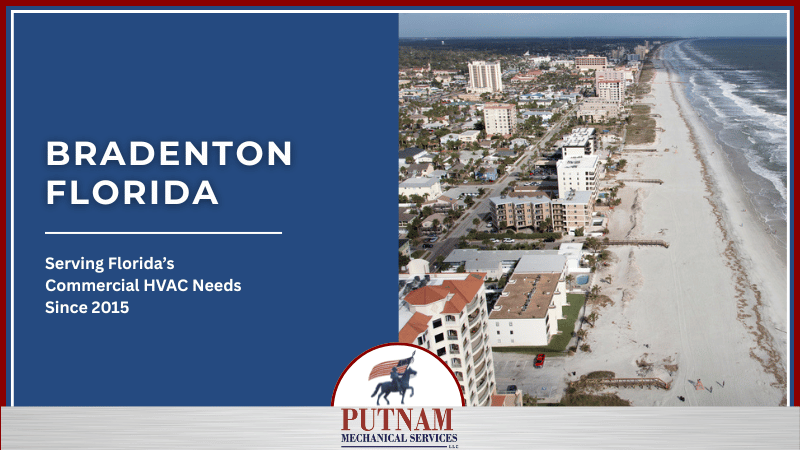
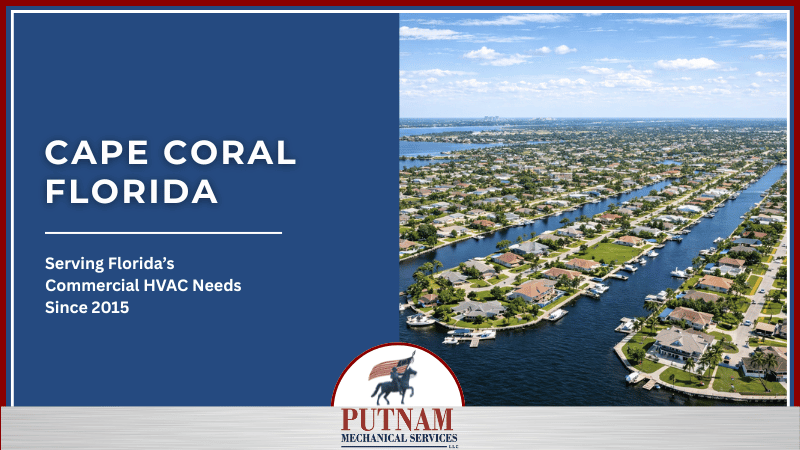
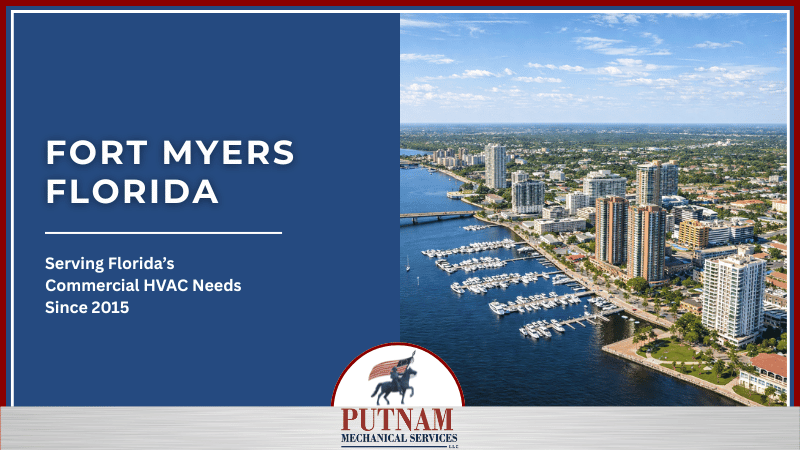
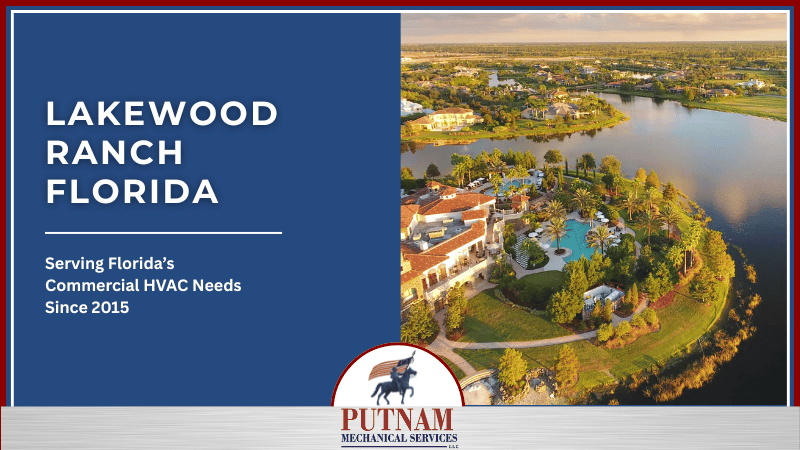
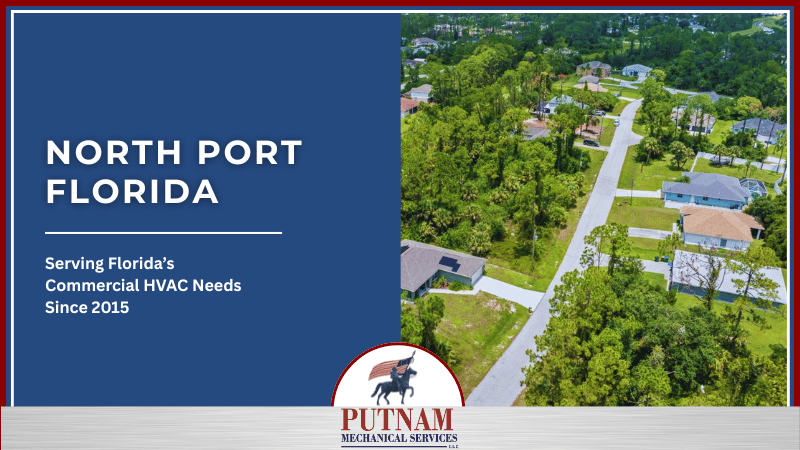
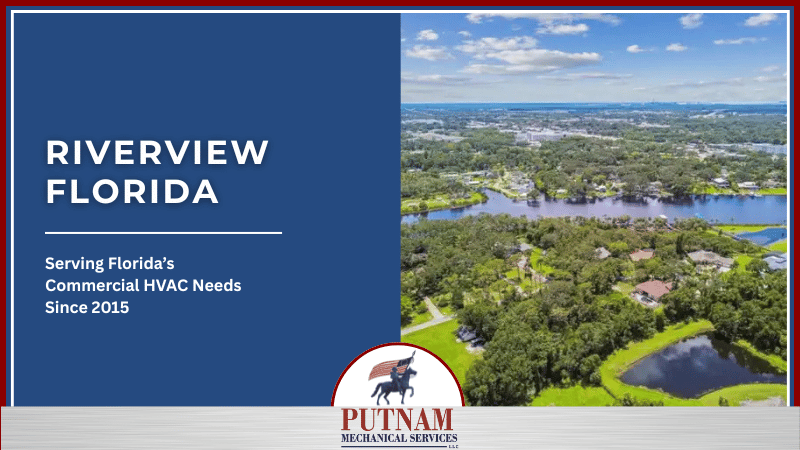
Putnam Mechanical, headquartered in Sarasota, Florida, provides professional commercial refrigeration and HVAC services across Florida’s Gulf Coast, proudly serving Bonita Springs, Bradenton, Brandon, Cape Coral, Clearwater, Estero, Fort Myers, Lakewood Ranch, Largo, Naples, North Port, Riverview, Sarasota, St. Petersburg, Tampa, Venice, as well as Collier County, Hillsborough County, Lee County, Manatee County, Pinellas County, Sarasota County, and surrounding areas.
Our experienced team partners with business owners, property managers, facility teams, restaurants, grocery stores, healthcare facilities, hospitality properties, and retail operators to deliver essential repairs, replacements, system upgrades, and ongoing maintenance with minimal disruption to daily operations.
When refrigeration, HVAC, or ventilation equipment fails, the clock starts immediately. A walk-in cooler losing temperature, a freezer alarm going off, an ice machine failure, a rooftop unit shutting down, or a ventilation issue affecting airflow and building pressure can quickly impact inventory, comfort, safety, and revenue.
Putnam Mechanical provides 24-hour emergency commercial refrigeration, HVAC, and ventilation service with fast dispatch, on-site diagnostics, and clear repair recommendations.
Experiencing equipment failure right now? Call for priority dispatch.
Many commercial properties rely on both systems at the same time. Restaurants, grocery stores, healthcare facilities, hotels, and retail spaces need stable refrigeration, reliable comfort cooling, proper airflow, and fast response from one service partner.
Yes. Emergency dispatch is available for urgent refrigeration and HVAC problems, including walk-in cooler failures, freezer temperature issues, ice machine problems, rooftop unit breakdowns, and commercial AC failures.
Yes. We repair and service rooftop units, package systems, split systems, multi-zone HVAC equipment, and other commercial cooling systems used in Florida commercial properties.
Yes. We service walk-in coolers, walk-in freezers, reach-in units, display cases, prep tables, and other commercial refrigeration equipment used by restaurants, grocery stores, convenience stores, healthcare facilities, and food-service businesses.
We provide commercial refrigeration and HVAC repair, replacement, installation, maintenance, diagnostics, refrigerant leak detection, compressor service, ductwork repair, airflow correction, controls, monitoring systems, and emergency service.
From emergency walk-in cooler repair and refrigerant leak detection to rooftop unit service, compressor replacement, ductwork correction, ventilation support, preventative maintenance, and full system upgrades, our licensed Florida technicians are ready to respond.
COMMERCIAL REFRIGERATION AND HVAC SERVICES IN SARASOTA | WALK-IN COOLER REPAIR | COMMERCIAL FREEZER REPAIR | ROOFTOP UNIT SERVICE | ICE MACHINE MAINTENANCE | REFRIGERANT LEAK DETECTION | 24/7 EMERGENCY COMMERCIAL COOLING SERVICE

Putnam Mechanical has proudly served commercial clients with dependable refrigeration and HVAC solutions. Headquartered in Sarasota, Florida, our experienced technicians specialize in commercial HVAC repair, refrigeration system installation and design, ice machine maintenance, compressor repair and replacement, controls and monitoring systems, energy efficiency upgrades, food safety and temperature compliance services, and 24/7 emergency service throughout Collier, Hillsborough, Lee, Manatee, Pinellas, Sarasota counties, and surrounding areas.
License # CAC1819526