
Same-Day HVAC And Commercial Refrigeration Service In Sarasota Covering AC Repair, Installation, Heating Systems, And Refrigeration For Homes And Businesses
Licensed & Insured Putnam Mechanical Technicians | Code-Compliant Work | Sarasota HVAC And Commercial Refrigeration Specialists
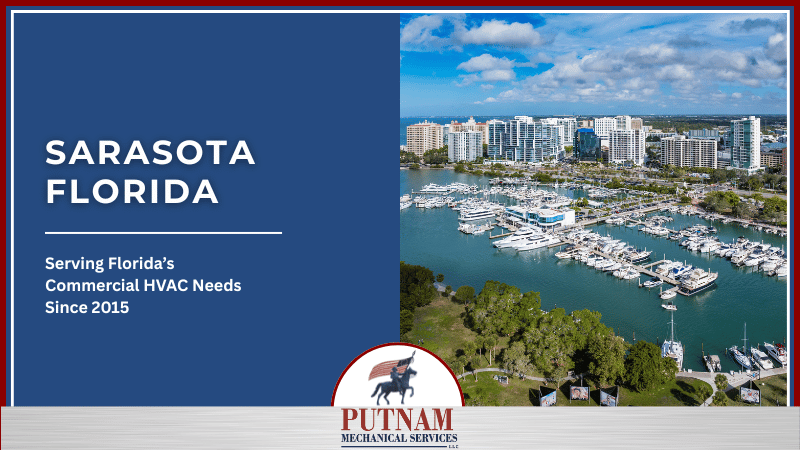
Sarasota's downtown arts and cultural district, healthcare campuses, and upscale shopping along St. Armands Circle all depend on commercial HVAC systems that perform consistently through the region's long warm season. Tourism and seasonal residents add extra demand on top of the city's year-round business base, meaning equipment downtime can mean turning away both regular customers and visitors at the same time.
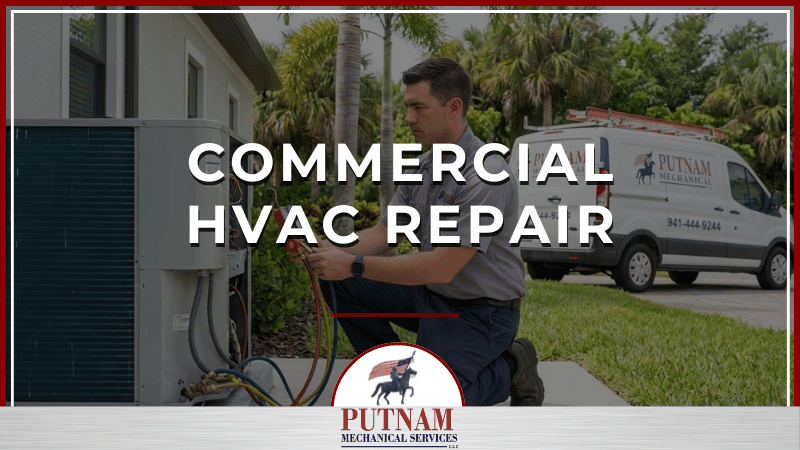
Putnam Mechanical provides commercial HVAC repair, installation, and maintenance for businesses throughout Sarasota. Our licensed technicians service rooftop units and package systems built for Gulf Coast humidity and salt exposure, with 24/7 emergency dispatch when a system failure can't wait. If your business is dealing with weak airflow, rising energy costs, or aging equipment, schedule commercial HVAC service in Sarasota today.
Putnam Mechanical, headquartered in Sarasota, Florida, helps businesses across Collier County, Hillsborough County, Lee County, Manatee County, Pinellas County, Sarasota County, and surrounding areas maintain reliable cooling, safe food storage, balanced airflow, proper ventilation, and efficient equipment performance. Explore our commercial refrigeration, HVAC, and ventilation services below.
Coastal & Waterfront Areas
Lido Key • Siesta Key • Bird Key • Sarasota Bayfront Homes
Established Residential Areas
Gulf Gate • Southgate • Indian Beach/Sapphire Shores • Central Sarasota Residential Zones
Growing & Modern Communities
Lakewood Ranch (Sarasota Sections) • Palmer Ranch • Newer East County Developments
Nearby Surrounding Areas
Osprey • Nokomis • Bradenton • Longboat Key
Yes. Putnam Mechanical is headquartered in Sarasota, Florida, and proudly provides commercial refrigeration and HVAC repairs, installations, preventative maintenance, and 24/7 emergency service throughout Sarasota.
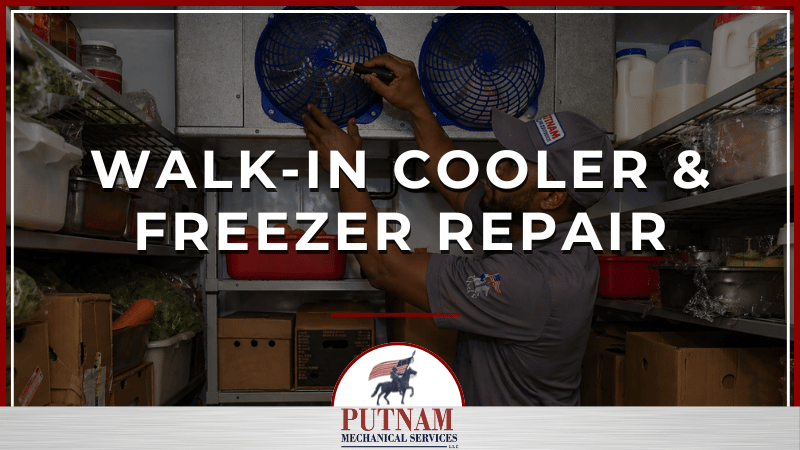
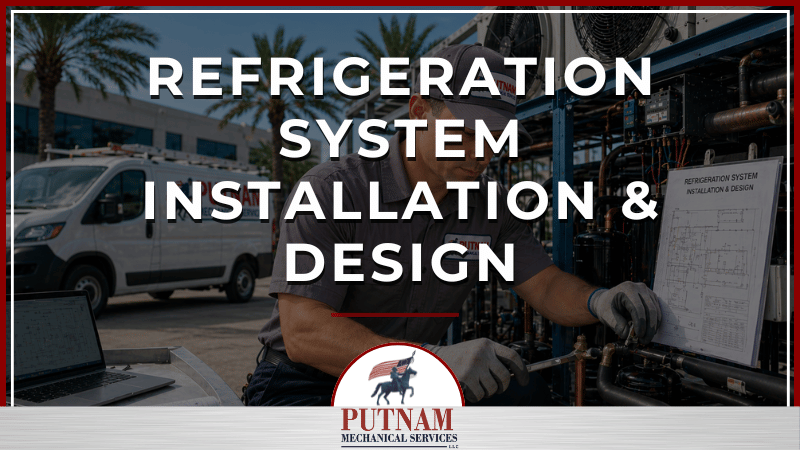
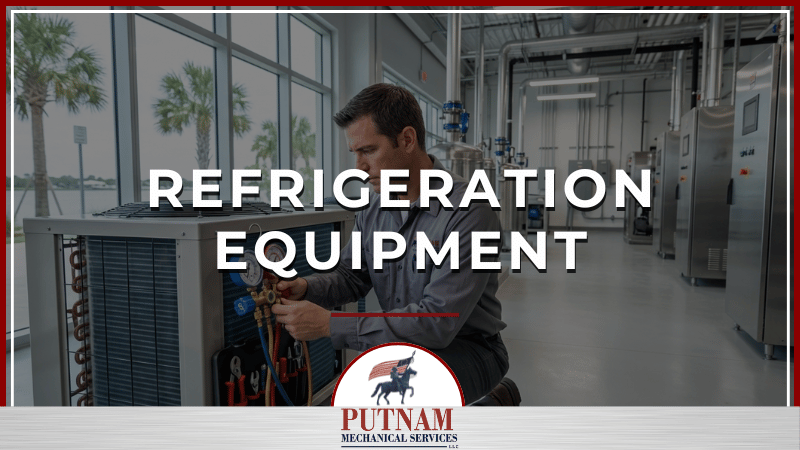
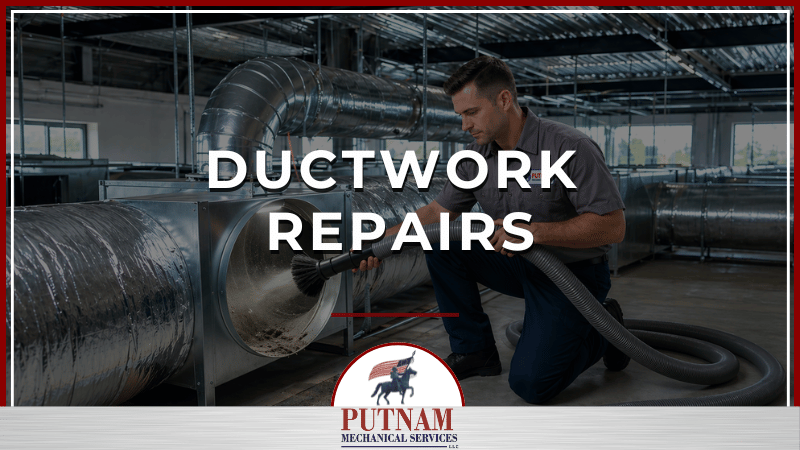
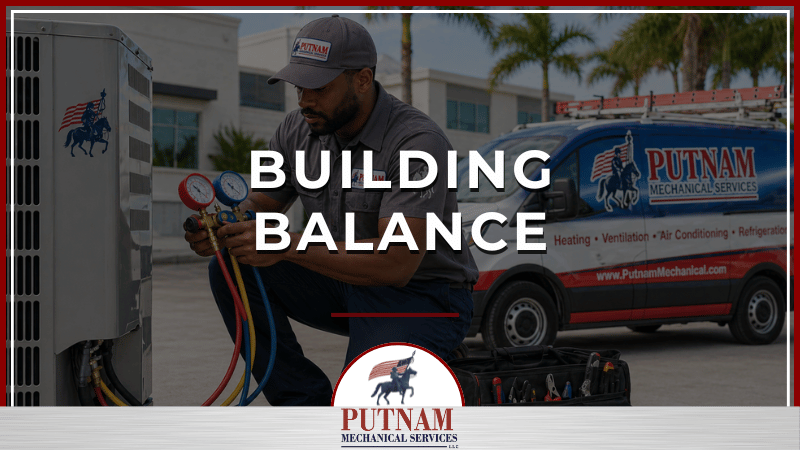
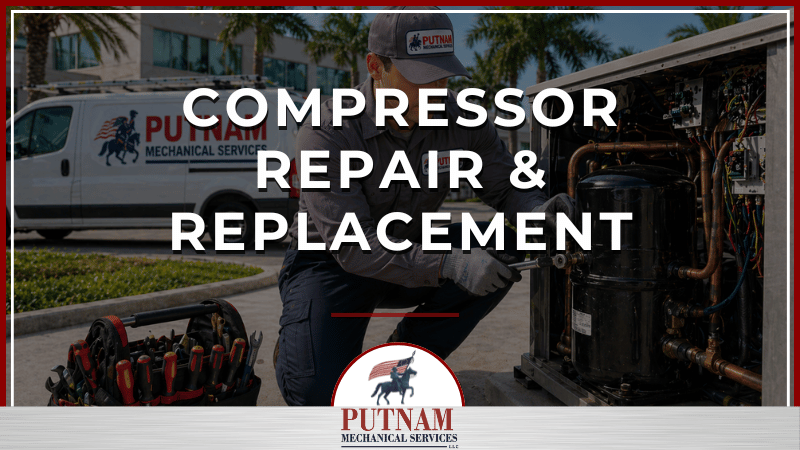
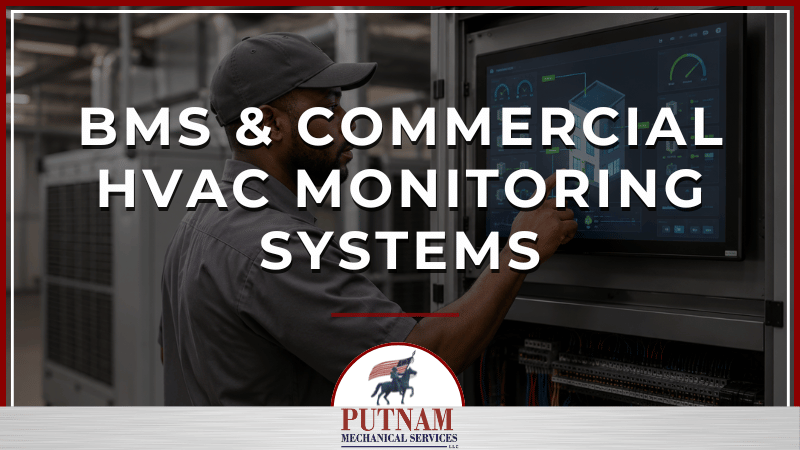
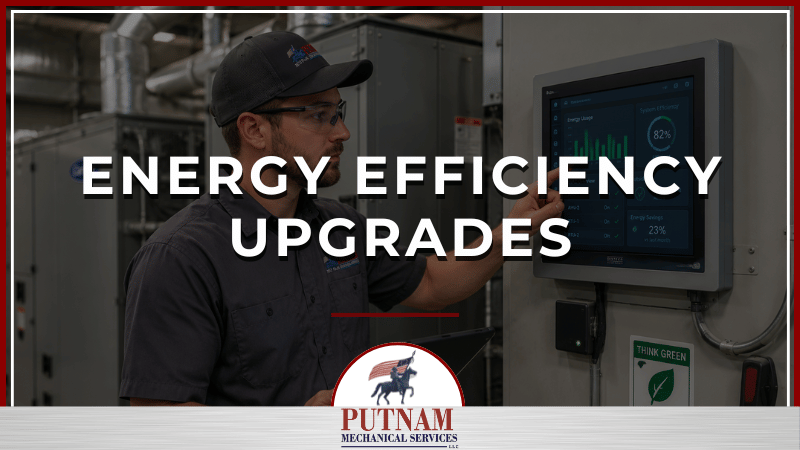
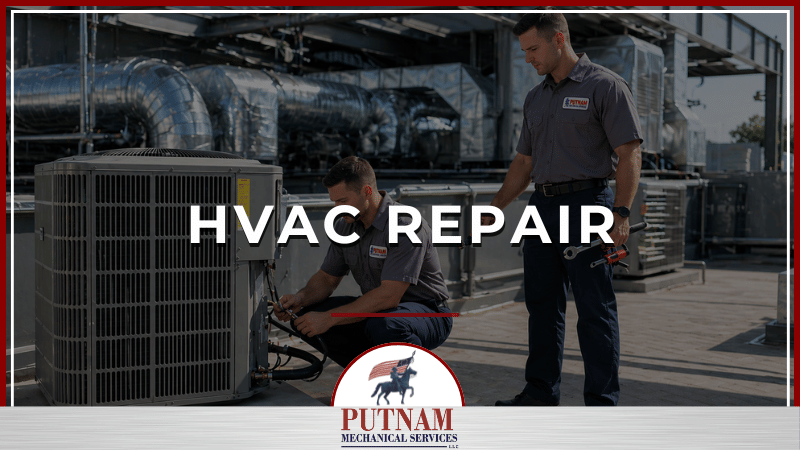
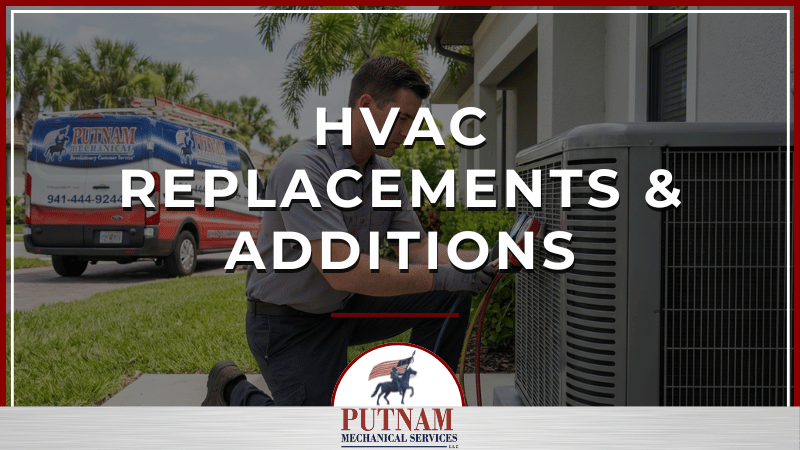
We provide commercial HVAC repair, refrigeration system installation and design, compressor repair and replacement, ductwork repairs, building balance, controls and monitoring systems, commercial ventilation, energy efficiency upgrades, and food safety and temperature compliance services.
Yes. Our team is available 24/7 to respond to commercial HVAC and refrigeration emergencies and help minimize downtime for Sarasota businesses.
We work with restaurants, grocery stores, healthcare facilities, hotels, office buildings, retail centers, warehouses, schools, industrial facilities, and many other commercial properties.
As a Sarasota-based company, Putnam Mechanical is committed to delivering dependable commercial refrigeration and HVAC solutions, experienced service, and fast response times for businesses throughout the area.
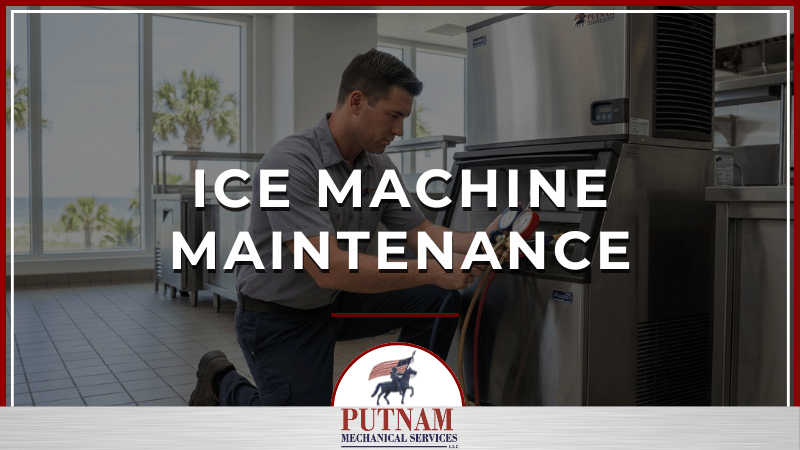
When refrigeration or HVAC equipment fails, the clock starts immediately. A walk-in cooler losing temperature, a freezer alarm going off, an ice machine failure, or a rooftop unit shutting down during business hours can quickly affect inventory, comfort, safety, and revenue.
Putnam Mechanical provides 24-hour emergency commercial refrigeration and HVAC service with fast dispatch, on-site diagnostics, and clear repair recommendations.
Experiencing equipment failure right now? Call for priority dispatch.
From emergency walk-in cooler repair and refrigerant leak detection to rooftop unit service, compressor replacement, ductwork correction, ventilation support, preventative maintenance, and full system upgrades, our licensed Florida technicians are ready to respond.
SARASOTA COMMERCIAL HVAC SERVICES | 24/7 COOLING EXPERTS | AC REPAIR, MAINTENANCE & SYSTEM REPLACEMENT

Putnam Mechanical has proudly served commercial clients with dependable refrigeration and HVAC solutions. Headquartered in Sarasota, Florida, our experienced technicians specialize in commercial HVAC repair, refrigeration system installation and design, ice machine maintenance, compressor repair and replacement, controls and monitoring systems, energy efficiency upgrades, food safety and temperature compliance services, and 24/7 emergency service throughout Collier, Hillsborough, Lee, Manatee, Pinellas, Sarasota counties, and surrounding areas.
License # CAC1819526